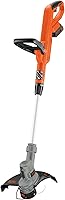
How to Edge With a String Trimmer
Here's how to edge with a weed eater: set it to its approved vertical edging position, then follow the grass border with shallow, steady passes. Clear debris first, wear the protective gear your manual requires, and keep the line from scraping pavement.
On this page (7 sections)
- How do you edge with a weed eater safely?
- How do you turn a string trimmer for edging?
- How do you edge a lawn step by step?
- Which trimmer should you choose for edging?
- Why does edging with a weed eater look uneven?
- When should you choose a dedicated edger?
- How to edge with a weed eater: make the final choice
Here's how to edge with a weed eater: use its approved vertical edging position, then guide the line along the grass border with shallow, steady passes. Cut the overhang instead of digging a trench.
A string trimmer suits routine cleanup beside sidewalks, driveways, and beds with a clear border. If thick turf has buried that border, expose it first with a suitable hand tool or dedicated edger.
How do you edge with a weed eater safely?
Clear the border and put on protective gear before starting. Wear eye protection, sturdy closed-toe footwear, long pants, and any hearing or other protection your manual requires.
Remove stones, sticks, wire, and toys, then keep people and pets outside the manual's required clearance. Check nearby windows and parked cars, since vertical cutting can send debris beyond the lawn.
Keep the guard fitted and use only the approved line type and diameter. The OSHA landscaping safety guidance explains common outdoor work hazards and protective steps.
Before adjusting the tool or handling its head, switch it off, wait for all movement to stop, and disconnect power as directed. Adjust the handle so you can hold it with both hands without reaching or twisting.
Choose firm footing and work when you can clearly see the border. For basic stance and control, see how to use a string trimmer.
How do you turn a string trimmer for edging?
Use the conversion method in your manual, then check that the moving parts lock securely. Some tools rotate the shaft or head; others require an approved attachment.
Make the change with power disconnected as directed. Keep the guard in its approved position, and check that a support wheel, if fitted, can follow the border without pulling the head sideways.
Don't improvise a position that leaves the guard facing the wrong way or forces your wrists into a strained grip. Our guide to string trimmers versus edgers explains when a separate tool makes more sense.
How should you hold a weed eater to edge?
Keep the line's cutting plane vertical, with the line reaching the grass that overhangs the border. The shaft angle depends on the tool's design and your handle setting.
Start with the head clear of obstacles, then bring the line toward the edge gradually. Use both hands and move your feet along the border instead of stretching your arms to finish a section.
How do you edge a lawn step by step?
Follow the existing border with light passes, removing only the grass that crosses it. Check a short section before continuing so a small angle error doesn't become a long bare strip.
- With the tool off, find the actual boundary between the lawn and pavement or bed.
- Clear debris, inspect the line and guard, and convert the tool for edging.
- Start as the manual directs, with the cutting head clear of the ground.
- Bring the line beside the border and travel in the direction your manual recommends.
- Keep moving at a pace that lets the line cut without forcing the head forward.
- Stop fully to inspect the result, then make another shallow pass only where needed.
Don't assume that every trimmer should move left to right. Head rotation and guard design affect the correct direction of travel and where debris goes.
At corners, stop your forward movement and reposition your feet before continuing. Along curves, use short sections and adjust your stance rather than twisting the tool through the turn.
How do you protect concrete, plants, and bed edges?
Keep the line beside the hard edge, avoiding continuous contact with concrete. Scraping pavement uses line quickly and can leave you pushing closer as the cutting reach shrinks.
Around beds, follow a visible boundary and keep away from stems, exposed roots, irrigation parts, and loose mulch. A plant guard helps with spacing, but the line can still damage anything it reaches.
Don't create a wider bare strip to make an uneven border look straight. Remove the overhang, stop, and assess whether the border itself needs reshaping with another tool.
Which trimmer should you choose for edging?
Choose wheel support for long pavement edges, suitable controls for varied growth, and a manageable tool for short jobs. Battery compatibility matters most when you already have tools and chargers you want to share.
These models combine trimming and edging, so each suits a homeowner who needs both jobs from one tool. For broader yard needs, compare the best string trimmers for home use.
WORX WG163: for regular sidewalk cleanup
The WORX WG163 suits you if your main job is following sidewalks and driveways. Its rubberized wheels support and guide the tool, while the adjustable spacer guard helps you judge distance near plants.
It has a 12-inch cutting width, a 5.5-pound machine weight, and push-button Command Feed for advancing line. The kit includes 2 batteries and a charger, which gives a new buyer a complete starting setup.
Choose it if you want wheel guidance and control over when line advances. Its WORX Power Share batteries also suit buyers already using that system.
Skip it if your main task is restoring a soil border buried under thick turf. Support wheels guide a line cutter; they don't turn it into a blade edger.
BLACK+DECKER LST522: for mixed trimming and edging
The BLACK+DECKER LST522 suits yards where edge cleanup alternates with heavier grass trimming. Its 2 speed settings let you choose higher power for tougher patches or lower speed to favor runtime.
This 12-inch model converts to wheeled edging and uses automatic line advancement without bumping. Adjustable height and handle settings help you set a comfortable working position before starting.
The kit includes a 2.5Ah battery and charger, and it belongs to the BLACK+DECKER 20V MAX system. Choose it if you value speed choice and automatic feed over manually requesting more line.
Skip it if you specifically want push-button control of line advancement. Don't choose it expecting a guaranteed session length, since growth, speed, and cutting habits affect runtime.
Ryobi ONE+ 18V: for short edges and existing ONE+ users
The Ryobi ONE+ 18V suits short cleanup jobs and buyers already using ONE+ batteries. Its shaft rotates for edging, and its 4-pound weight makes it the lightest option here by the supplied weights.
Its 10-inch cutting width gives you a narrower path for general trimming. For edging, steady vertical control matters more than cutting width, so don't choose by swath size alone.
The package includes a compact battery and charger. Choose it when low tool weight and battery compatibility matter more than covering broad patches of grass with each sweep.
Skip it if wheeled support is a requirement, since that feature isn't established for this model. Compare string trimmers with wheels for edging if you want a guide along pavement.
Why does edging with a weed eater look uneven?
Changing the angle, pausing in one spot, or losing line length can leave a ragged edge. Work in short sections so you can correct the cause before removing more grass.
- A widening bare strip: The line is cutting into the lawn. Shift the cutting path back toward the border.
- Deep spots: You're lingering or lowering the head. Keep a steady pace and take less material per pass.
- Grass left behind: Slow your travel slightly and check line length before pushing the head closer.
- Fast line wear: Reduce pavement contact rather than feeding more line and repeating the same pass.
- An edge you can't see: Stop and expose the boundary before continuing.
If the line stops feeding, disconnect power before checking for a tangled spool or debris. Follow the tool's feed method; automatic, push-button, and bump-feed heads aren't operated the same way.
Our guide to loading line in a string trimmer covers replacement basics. After the job, remove the battery or disconnect power, brush away clippings, inspect the spool, and store the tool dry.
When should you choose a dedicated edger?
Choose a blade edger for establishing or restoring a defined soil edge, especially where turf has grown over pavement. Use a convertible trimmer to maintain an edge you can already follow.
For a small neglected section, a suitable manual edging tool may be enough to expose the border. Avoid repeatedly driving trimmer line into soil to imitate a blade.
If you want one power unit for several yard tools, read about attachment-capable string trimmers. Confirm that the exact unit accepts an edging attachment before choosing that route.
How to edge with a weed eater: make the final choice
Choose the WORX WG163 for guided pavement cleanup, the BLACK+DECKER LST522 for speed choice and automatic feed, or the Ryobi ONE+ for short jobs where low weight and battery sharing matter.
Knowing how to edge with a weed eater means recognizing when to stop: once the overhang is gone and the border is clear, another pass may only remove healthy grass. If you need help choosing a tool for both tasks, compare string trimmer and edger combos.
For everyday cutting away from borders, return to how to use a string trimmer.
Frequently asked questions
How do you edge a lawn with a weed eater?
Set the tool to its approved vertical edging position, then guide the line beside the grass border in shallow passes; clear loose debris first and keep people away as the manual requires. Stop the tool before inspecting the edge, and remove more grass only where it still overhangs.
Should a string trimmer be vertical or horizontal for edging?
The cutting plane should be vertical for edging and usually horizontal for ordinary trimming; that describes the path of the spinning line, not a fixed shaft angle. Follow your model's conversion steps so the handle, guard, and head stay in their approved positions while you work.
Can you edge a sidewalk with a string trimmer?
Yes, a string trimmer that supports vertical edging can remove grass overhanging a sidewalk; follow the concrete border with light passes, keeping the line from scraping it continuously. If turf has buried the sidewalk edge, expose the border with a suitable hand tool before trying to follow it.
How often should you edge your lawn?
Edge when grass begins to spread over the border or obscure its shape; check during routine mowing rather than following a fixed schedule, since growth changes with weather and grass type. Frequent light cleanup lets you remove overhang without cutting a wider strip of healthy lawn each time.