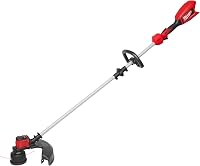
What Is an Attachment-Capable String Trimmer?
An attachment-capable battery string trimmer uses one powerhead with interchangeable yard-tool attachments. Choose a system that supports your planned jobs, then confirm attachment fit and battery compatibility separately.
On this page (7 sections)
- What does attachment-capable mean on a string trimmer?
- Are string trimmer attachments universal?
- Which attachment-capable trimmer suits your yard?
- What should you compare before buying the full setup?
- How do you set up and change attachments safely?
- How do you avoid line, edging, and maintenance mistakes?
- Which battery string trimmer with attachments should you choose?
An attachment-capable battery string trimmer lets you use one powerhead for several yard jobs by swapping compatible shaft attachments. Buy one when you need more than grass trimming and can confirm that the system supports the tools you'll actually use.
The best choice starts with your yard tasks, existing batteries, and storage space. A long attachment catalog adds little value if it doesn't include the right edger, hedge tool, or other add-on for your work.
What does attachment-capable mean on a string trimmer?
Attachment-capable means the lower shaft and working tool can be exchanged for another approved attachment. The battery and powerhead stay with you while the business end changes.
Depending on the system, attachments can edge pavement, trim hedges, prune branches, loosen garden soil, or blow debris. Each needs its own operating instructions, even though it shares the powerhead.
A removable spool or replaceable string head isn't enough. Those parts service the trimming function; a multi-tool shaft connection lets the powerhead drive a different type of tool.
Also separate attachment capability from battery sharing. A brand may sell many tools that use one battery without making their shafts interchangeable.
Are string trimmer attachments universal?
No, fit depends on the exact connection and approved models. Similar shaft shapes, matching brand names, or equal voltage numbers don't prove compatibility.
RYOBI Expand-It and Milwaukee QUIK-LOK are named attachment systems. Greenworks compatibility also needs a model-specific check, especially when comparing tools from different voltage platforms.
“Universal” still requires verification against your powerhead. Don't force a shaft into a coupler, modify a connector, or assume an attachment is safe because it slides into place.
How do you check an attachment-capable battery string trimmer?
Match the exact powerhead model to each planned attachment before choosing a system. Check the manufacturer's instructions for approved combinations, required guards or handles, and any attachment-specific limits.
Make a short list with 3 columns: yard job, attachment model, and confirmed powerhead fit. This catches a common buying mistake: choosing a trimmer first, then discovering that the attachment you wanted doesn't work with it.
For help choosing the power source, read our guide to which battery voltage a string trimmer needs. Compare tool-only versus kit string trimmers if you're deciding whether to reuse battery equipment.
Which attachment-capable trimmer suits your yard?
Choose the system that covers your jobs with manageable handling and a complete battery setup. These 4 options suit different starting points, from a first cordless kit to an existing Milwaukee tool collection.
Ryobi: for homeowners building a mixed attachment setup
The Ryobi 40V Attachment-Capable Trimmer Kit suits homeowners who want a starter kit and may reuse compatible gas-tool attachments. It includes a 4.0 Ah battery and charger, so you don't need to begin with an existing cordless platform.
Its adjustable 13–15 in cutting path lets you choose a narrower swath to favor runtime or a wider one for open areas. The variable-speed trigger helps you ease off around obstacles, while the Reel-Easy bump-feed head supports line reloading.
Choose it if attachment flexibility matters more than committing to a single brand's add-ons. Before reusing an older attachment, confirm its exact fit rather than relying on the word universal.
Skip it if you only need a few minutes of grass trimming and don't expect to add other tools. An attachment system brings little benefit to that routine.
Greenworks 60V: for longer trimming routes and shared batteries
The Greenworks 60V 16-Inch Trimmer suits homeowners maintaining longer fence lines or open lawn borders. Its 16 in cutting path, brushless motor, and Load N’ Go head make it worth considering for regular trimming plus other compatible yard jobs.
The kit includes a 4.0 Ah battery, charger, spool, and adjustable shoulder strap. Greenworks backs the tool and battery with a 4-year limited warranty, and the battery platform covers more than 75 Greenworks 60V products.
Consider how you'll carry it: the stated tool weight is 18.7 lb, and a strap distributes weight rather than removing it. Changing attachments can also change balance and reach.
Skip this option if carrying weight is your main concern or you already have a suitable battery setup elsewhere. Choose it because the whole system fits your plans, rather than for voltage alone.
Greenworks 40V: for homeowners with a defined attachment plan
The Greenworks 40V 16-Inch Attachment-Capable Trimmer suits buyers whose planned jobs match those 5 named attachments. That gives you a concrete shopping list instead of relying on a broad promise of expandability.
Its brushless motor, 2 speed modes, and variable-speed trigger give you options for routine grass and more demanding patches. Start with the lower setting where it cuts cleanly, then increase speed as needed.
This version includes a 4.0 Ah battery. Confirm charger inclusion before ordering if you're starting without compatible charging equipment.
Skip it if your main goal is reusing attachments from another system without confirmed compatibility. Existing Greenworks 40V battery owners should also verify their exact battery fit rather than assuming every Greenworks battery works.
Milwaukee: for buyers committed to QUIK-LOK
The Milwaukee M18 FUEL Trimmer with QUIK-LOK suits buyers who want the QUIK-LOK system, especially those who already have suitable M18 battery equipment. It uses a POWERSTATE brushless motor and comes as a bare tool.
Budget for a compatible battery and charger if you need them. Check Milwaukee's battery guidance for the intended attachment, since trimming grass and running another tool can place different demands on the powerhead.
Choose it when several QUIK-LOK tools match recurring jobs around your property. Skip the bare-tool route if you want an included battery and charger without selecting those parts separately.
What should you compare before buying the full setup?
Compare the complete working system, including the attachments and battery equipment you need. The trimmer's headline features are only part of that decision.
- Jobs and frequency: Occasional edging may suit a shared powerhead; frequent specialist work may justify a separate tool.
- Battery workload: Grass density, trigger use, attachment type, and battery capacity affect how much work you can finish between charges.
- Handling: Consider reach, handle position, strap fit, and balance with each attachment, not just the trimming shaft.
- Storage: A shared powerhead reduces duplicated motors, but long shafts, guards, and cutting tools still need protected space.
- Work sharing: Two people can't trim and edge at the same time with one powerhead.
Don't compare runtime from voltage or amp-hours alone. Different platforms and yard conditions make those numbers poor substitutes for a suitable battery recommendation and a realistic charging plan.
If you're also weighing power sources, our guide to electric versus gas weed eaters explains the main trade-offs. The complete cordless string-trimmer buying guide covers broader battery-tool choices.
How do you set up and change attachments safely?
Remove the battery before assembly, attachment changes, or clearing debris. Follow the instructions for both the powerhead and attachment, including any required guard, handle, or strap changes.
Fit the shaft fully and secure every latch, pin, and clamp specified by the manufacturer. Check the connection before reinstalling the battery; a partly seated shaft is a reason to stop and refit it.
Adjust the handle and strap with the tool switched off so you can hold a stable stance without reaching awkwardly. Keep guards fitted and wear the protective equipment required for the attachment.
Before starting, clear stones, wire, and loose objects from the work area. Our guide to using a string trimmer the right way explains working position and cutting technique.
How do you avoid line, edging, and maintenance mistakes?
Use the approved line size and the right attachment for the material. Thicker line, removed guards, or an unapproved blade aren't shortcuts to more cutting ability.
Let the line tips cut instead of pushing the head deep into dense growth. Work tall grass down in stages, and keep line away from tree bark, soft edging, and fence wire.
Use an edger attachment when you need its cutting action and guide arrangement for pavement borders. A wheeled trimming tool offers another approach; compare whether string trimmers with wheels work for edging before adding equipment.
With the battery removed, clear wrapped grass and clean the shaft connection as directed after use. Reload line according to the head's instructions, using our guide to loading string-trimmer line for general help.
Store batteries and attachments in the conditions their manuals specify. A battery tool avoids fuel mixing, but its cutting parts, fasteners, and connections still need regular attention.
Which battery string trimmer with attachments should you choose?
Choose an attachment-capable battery string trimmer by your next 2 or 3 yard jobs, then confirm the complete setup. Start with Ryobi for a kit and verified Expand-It or universal attachment reuse, or Greenworks 40V when its named add-ons cover your needs.
Choose Greenworks 60V when its battery platform and carrying setup suit your trimming routine. Choose Milwaukee when QUIK-LOK is the system you want and you have accounted for compatible battery equipment.
If grass trimming is your only job, keep the purchase simpler. Use our cordless string-trimmer guide to decide which cutting, handling, and battery features matter most for your yard.
Frequently asked questions
What does attachment-capable mean on a string trimmer?
Attachment-capable means the trimmer has a powerhead and shaft connection designed to drive compatible yard-tool attachments. You can replace the trimming attachment with an approved tool for another job, such as edging or hedge trimming, but a removable string head alone doesn't make a trimmer attachment-capable.
Are string trimmer attachments universal?
No, string trimmer attachments aren't universally interchangeable, even when their shafts look similar. Some systems accept certain universal gas attachments, while others use their own connections, so match the exact powerhead and attachment models through the manufacturer's compatibility guidance before buying or attempting to connect them.
Can a battery string trimmer use attachments?
Yes, a battery string trimmer can use attachments if its powerhead and shaft are designed for them. Battery compatibility and attachment compatibility are separate checks: a battery that powers several tools doesn't mean those tools share attachments, and matching voltage doesn't prove that either connection will fit.
Is an attachment-capable trimmer worth it?
An attachment-capable trimmer is worth considering when you need grass trimming plus other recurring yard jobs and want fewer separate powerheads to store. Compare the complete setup, including batteries, charger, and add-ons, with standalone tools, and remember that one shared powerhead lets only one person work at a time.