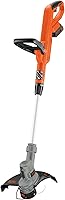
How to Load Line in a String Trimmer
Here's how to load a string trimmer: disconnect power, use the approved line, and follow the head's loading method. Wind a removable spool, fit a compatible replacement spool, or thread and wind a rapid-load head as directed.
On this page (7 sections)
- What should you check before loading a string trimmer?
- How do you load a string trimmer with a removable spool?
- How do you reload a bump-feed or rapid-load head?
- Which feed system should you choose?
- Why does fresh line jam, break, or disappear?
- What should you do after loading the line?
- Which loading option should you choose next?
To load a string trimmer, disconnect power, choose the approved line, and follow the loading method for your head. You may need to wind a removable spool, fit a prewound replacement, or thread line through a rapid-load head.
Don't confuse loading with feeding. Automatic feed, bump feed, and push-button feed describe how fresh line advances while trimming, not necessarily how you refill an empty head.
What should you check before loading a string trimmer?
Identify the head and its approved line before opening it. Use the tool's model number and manual, especially if a previous owner fitted a replacement head.
Check these details first:
- Line diameter and shape: Use an approved size and type.
- Loading length: Follow the head's capacity, rather than filling every visible gap.
- Winding direction: Find the spool's loading arrow or the manual's diagram.
- Spool layout: Check whether it holds 1 strand or 2 separate ends.
- Replacement fit: Match prewound spools to the exact tool or head.
Turn the tool off, wait for the head to stop, and let hot parts cool. Remove the battery, unplug the cord, or disconnect the spark plug lead as the manual directs.
Wear gloves and eye protection, and avoid the sharp line cutter on the guard. Brush away loose grass before opening the housing so debris doesn't fall into the spool.
How do you load a string trimmer with a removable spool?
Remove the spool, anchor fresh line, and wind it neatly in the marked direction. Keep the manual nearby for the correct length and routing.
- Release the cover using its tabs, fastener, or retaining fitting.
- Lift out the spool, noting the position of any spring or loose parts.
- Remove old line and clear debris from the spool and eyelets.
- Cut the approved line to the specified length.
- Anchor its starting end in the correct hole or slot.
- Wind snug, even wraps without crossing strands or overfilling.
- Place the free end in the holding notch, if provided.
- Refit the spool and route the line through its eyelet.
- Release the holding notch as directed and secure the cover.
A photo before disassembly can help you remember where parts belong. Keep small parts on a clean surface rather than setting them in the grass.
How do you load a dual-line string trimmer head?
Keep each line end in its assigned channel and route it through its own eyelet. Some heads take 2 separate lengths; others use 1 length folded at an anchor point.
Check that design before cutting your line. A folded strand won't suit every spool, and winding both ends into one channel can block feeding.
Leave the exposed ends at the lengths the manual specifies. If one end slips loose while you fit the spool, reopen it and correct the wraps before closing the head.
Should you fit a prewound spool instead?
Choose a compatible prewound spool if you want to avoid winding line by hand. Bulk line suits readers who prefer refilling their existing spool and can keep the wraps orderly.
Check the full model compatibility, not just the line diameter. A spool must also fit the housing and feed mechanism, and any shipping tape or temporary line restraint must be removed as directed.
How do you reload a bump-feed or rapid-load head?
Reload according to the head design, even if another trimmer uses the same feed system. A bump-feed head may use a removable spool or accept line through its assembled housing.
For a through-head design, the manual may direct you to align loading marks, pass line through the head, equalize the ends, and turn a winding knob. Use that sequence only when it matches your head.
Don't pry off a cap or force a winding knob that won't move. Stop and check the alignment, trapped line, and release method.
The EGO Power+ ST1502SA has a Rapid Reload head and uses 0.095 in line across a 15 in cutting swath. It suits homeowners who want easier refills alongside a wider cutting path for open lawn edges.
Variable speed lets you adjust cutting pace to the task. EGO says the included 2.5Ah battery provides up to 45 minutes of runtime; thicker growth and speed choices affect how long a charge lasts.
Skip this choice if your main job is guiding a wheeled edger along short paths. Its reload feature addresses refilling, so choose it for that benefit rather than assuming it supplies every kind of edging aid.
Which feed system should you choose?
Choose automatic feed for fewer feed controls, or push-button feed when you want to decide when line advances. Neither feature removes the need to refill the spool correctly.
If you're replacing a working trimmer only because refilling is awkward, check its approved spool options first. A compatible prewound spool may solve the problem without replacing the tool.
WORX WG163: for small yards with frequent edging
The WORX WG163 suits homeowners who alternate between grass trimming and wheeled edging. Its Command Feed button advances line on demand, while support wheels help guide the tool along borders.
It uses 0.065 in line, has a 12 in cutting width, and includes 2 batteries and a charger. The tilting head and adjustable spacer guard also suit work around slopes and planted areas.
Choose it when edging support matters as much as feed control. Skip it for woody growth or jobs that call for a brush-cutting tool.
BLACK+DECKER LST300: for routine trimming with automatic feed
The BLACK+DECKER LST300 suits readers who want line to advance automatically without bumping the head or pressing a feed button. Its adjustable handle and height help you set a comfortable working position.
The kit includes 1 battery, a charger, and an AF-100 spool. Use that spool reference alongside the tool's model number when choosing replacements.
Pick it for regular grass cleanup when automatic advancement is your priority. Skip it if you specifically want manual control over each feed request or a second battery included from the start.
BLACK+DECKER LSTE525: for feed control and a spare battery
The BLACK+DECKER LSTE525 suits readers who want button-controlled EASYFEED and 2 included batteries. Its 2-speed control lets you choose between more power and longer runtime.
It converts to a wheeled edger, so it also fits yards with lawn borders and sidewalk edges. The adjustable height and handle help you set it up before starting.
Choose it over the LST300 when those controls and the extra battery matter to your routine. Skip it if your sole goal is easier winding, since EASYFEED advances line rather than loading a fresh spool.
For wider buying choices, compare the best battery string trimmers. For other yard-work steps, read how to use a string trimmer the right way.
Why does fresh line jam, break, or disappear?
Check the loading job first when trouble starts immediately after a refill. Disconnect power before inspecting the head.
- Line won't advance: Look for crossed wraps, overfilling, or an end still held in a spool notch.
- Only one end feeds: Check each channel and eyelet for trapped line.
- Line pulls back inside: Check the exposed length and whether the spool is seated correctly.
- The cap won't close: Check spool fit, loose parts, and trapped strands.
- Line breaks at an eyelet: Inspect for rough edges or damage before adding more line.
Avoid packing extra line onto a spool to stretch the time between refills. Crowded wraps can bind together and stop feeding.
Repeated contact with concrete, wire fences, and stone wears line quickly. Cut with the tips and approach hard surfaces gradually rather than pressing the head against them.
What should you do after loading the line?
Check the head assembly with power disconnected, then check operation as the manual directs. The spool must sit correctly, the cap must lock fully, and the guard must be secure.
Set the exposed line length before starting. Keep dual-line ends even when required, and don't rely on the guard's cutter to remove a large amount of excess line.
Reconnect power only after closing the head and clearing away tools. Wear the required protective gear and keep people and pets outside the manual's stated working area.
Stop if the head rattles, vibrates unusually, or fails to feed. Disconnect power again before checking the assembly.
After use, remove loose grass from the head and inspect the cap, eyelets, and guard for damage. Store spare line away from direct sun and heat, following its maker's storage instructions.
For cutting technique, follow how to use a string trimmer. For borders, see how to edge with a string trimmer.
Which loading option should you choose next?
Learning how to load a string trimmer starts with choosing the right refill method for its head. Use bulk line for careful hand winding, a compatible prewound spool to avoid winding, or a rapid-load design when frequent refills drive your buying choice.
Choose the WORX for edging support, the LST300 for automatic feed, or the LSTE525 for button control and a spare battery. Choose the EGO when easier reloading and a wider cutting path fit your yard.
Learn the feed mechanism in how a string trimmer works, or use the cordless string trimmer buying guide to match your next tool to your yard.
Frequently asked questions
Which way do you wind string trimmer line?
Wind line in the direction marked on the spool or shown in the manual. There is no single clockwise or counterclockwise rule for every head, and an arrow on the housing may show operating rotation instead; keep wraps snug and follow the spool's loading arrow.
Can you put any size line in a string trimmer?
Use only the line diameter and type approved for your trimmer head; thicker line can jam the feed path or put extra load on the tool, while thinner line may feed poorly. Match replacement spools by model compatibility, since a similar shape does not guarantee a correct fit.
How much line should stick out of a string trimmer head?
Leave the exposed length specified in your trimmer manual. Route each end through its proper eyelet and release any temporary holding notch before closing the head; keep dual-line ends even when directed, and do not leave long tails for the guard's cutter to remove.
Why won't my string trimmer line feed?
Line often stops feeding because the spool is overfilled, the wraps cross, or an end remains caught in a holding notch. Disconnect power before opening the head; check line compatibility, clear loose debris, and inspect the spool and cap for damage before rewinding or fitting a replacement.