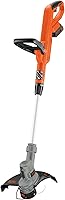
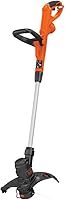
How Does a Weed Eater Work?
A weed eater works by spinning flexible cutting line fast enough to cut grass and weeds. An engine or electric motor turns the cutting head, while a spool stores fresh line to replace the ends as they wear down.
On this page (10 sections)
- How does a weed eater work?
- What do the motor, shaft, and head each do?
- How does a weed eater feed more line?
- How do gas and battery weed eaters differ?
- Which of these weed eaters fits your routine?
- How should you choose cutting width and line size?
- How do you set up and use a weed eater?
- Why does a weed eater stop cutting well?
- Can a weed eater replace a mower or brush cutter?
- How does knowing how a weed eater works help you choose?
A weed eater works by spinning flexible cutting line fast enough to cut grass and weeds. An engine or electric motor turns the head, and the moving line slices through growth that a mower cannot easily reach.
Understanding how a weed eater works helps you choose more than a power source. Cutting width, line size, and the way the head feeds fresh line all affect how well it fits your yard.
How does a weed eater work?
A weed eater turns motor or engine power into rotation at the cutting head. That rotation keeps the flexible line extended so its exposed ends strike grass at high speed.
The outer tips move fastest and do much of the cutting. Let those tips meet the grass instead of pushing the center of the head into it.
The guard helps deflect debris, but it cannot catch everything. On many models, a small cutter on the guard also trims newly fed line to the intended length.
Releasing the trigger does not always stop the head immediately. Wait for rotation to stop before setting the tool down or moving close to the head.
What do the motor, shaft, and head each do?
The motor or engine provides power, the shaft supports the tool, and the head holds and spins the cutting line. The way power reaches the head depends on the design.
Gas trimmers commonly transmit rotation through a drive shaft. Some electric models put the motor near the head, so power does not travel mechanically along the full shaft.
Shaft shape and handle position affect reach and posture. A straight shaft can help reach beneath bushes, but handle adjustment matters too: you should not need to bend over throughout the job.
A spool stores replacement line inside the head. When the exposed ends wear down, the feed mechanism releases more through the head’s openings.
How does a weed eater feed more line?
Bump feed and auto feed advance cutting line, while quick reloading helps you refill the head. These are separate jobs, so a quick-reload feature does not identify the feed method.
Bump-feed heads release line when tapped on the ground as instructed. Auto-feed heads advance line automatically, with the exact operation depending on the model.
Short line reduces cutting reach and can make you push harder into the grass. Stop and check the line before treating poor cutting as a power problem.
When refilling, use the specified diameter and winding direction. Overfilling the spool or crossing the wraps can cause jams; our guide to loading line in a string trimmer explains the common steps.
How do gas and battery weed eaters differ?
Battery trimmers use stored electricity; gas trimmers burn fuel in an engine. Both spin cutting line, but their preparation and care needs differ.
How does a battery weed eater work?
A rechargeable battery supplies electricity to a motor that turns the head. Charge level, grass density, line length, and speed settings affect how long it can run.
Choose battery power if you want to avoid fuel mixing and engine starting. Plan around charging breaks if your trimming route is long.
How does a gas weed eater work?
A gas engine drives the head through the tool’s drive system. A 2-cycle model needs the fuel and oil preparation specified in its manual.
Gas suits buyers willing to handle fuel storage, starting steps, and engine care. Refuel only with the engine stopped and cooled as instructed, away from ignition sources.
Our electric versus gas weed eater comparison covers the choice in more detail. If fuel-free upkeep is your priority, read whether electric weed eaters are any good.
Which of these weed eaters fits your routine?
Choose the EGO for broader cordless trimming, Husqvarna for attachment flexibility, or Greenworks for light upkeep in smaller spaces. Match the tool to your regular route rather than the toughest patch you might cut once.
EGO Power+ ST1502SA: for broader cordless trimming
The EGO suits homeowners with longer lawn borders who want battery power and easier spool refills. Its 0.095-inch line and variable speed give you a useful setup for routine grass and weed trimming.
EGO claims up to 45 minutes of runtime with the supplied battery, which charges in 50 minutes using the included charger. Allow for shorter runtime in heavier growth rather than planning every session around that maximum.
Skip it if your only task is a few tight corners where a narrower cutting path would be easier to place. Existing EGO users can also factor in compatibility with the brand’s 56V ARC Lithium batteries.
Husqvarna 122LK: for attachment-minded homeowners
The Husqvarna suits occasional homeowner trimming where a detachable shaft and compatible attachments would earn their storage space. Its straight shaft also helps you reach under bushes.
Husqvarna’s SmartStart system is designed to reduce starting effort, and the Tap n Go head advances line. Confirm compatibility for each attachment before buying it.
Skip this model if avoiding fuel preparation and engine care is your main goal. A wider cut does not turn a homeowner grass trimmer into a brush cutter.
Greenworks 40V: for small-yard grass upkeep
The Greenworks suits routine grass and light weeds around smaller lawns, sidewalks, and beds. Its 0.065-inch dual line fits that role, while the narrower cutting path helps you place the cut in confined areas.
Choose it if you prefer automatic line advancement over bumping a head. Skip it for a route dominated by broad areas of dense growth, where its narrower path means more passes.
How should you choose cutting width and line size?
Choose cutting width for your available space and use only the line sizes your trimmer supports. A bigger swath covers more ground, but it also reaches farther toward plants, fences, and other obstacles.
Walk your trimming route before buying. Note narrow gaps, long fence runs, delicate beds, and whether grass stays short through weekly care or becomes tall between cuts.
Thicker approved line can suit tougher weeds, but fitting oversized line can strain the tool or disrupt feeding. Never substitute wire or other material for trimmer line.
For battery choices, compare runtime needs and any batteries you already own using our cordless string trimmer buying guide. Our string trimmers for home use guide helps match the whole tool to your yard.
How do you set up and use a weed eater?
Install the guard, adjust the handle, and check the line before starting. Follow the assembly instructions with the power source disconnected.
Set the handle so you can hold the head near the ground with relaxed shoulders and a slight bend in your arms. Check that fasteners are secure and the head is correctly fitted.
Clear stones, loose wire, and other debris from the area. Wear the specified eye and hearing protection, long pants, and sturdy footwear, and keep people and pets at the manual’s required distance.
Start in short grass while you learn the controls. Use steady sweeps and the lowest speed that cuts cleanly; forcing the head into growth wastes line and can scalp the lawn.
Cut tall grass in stages from the top down to reduce wrapping. Leave space around tree trunks because spinning line can damage bark.
See how to use a weed eater for trimming technique. For sidewalk borders, follow our guide to edging with a string trimmer and your model’s approved operating positions.
Why does a weed eater stop cutting well?
Poor cutting often comes from short or jammed line, wrapped grass, or reduced power. Check these causes before assuming you need a larger machine.
Switch off, wait for the head to stop, and disconnect power as instructed before inspecting it. For gas tools, follow the manual’s cooling and spark-plug disconnection steps.
Check for an empty spool, crossed line, or grass wrapped around the head. A battery that needs charging or an engine that needs care can also reduce cutting speed.
After use, clear debris as directed and inspect the guard and head for damage. Follow the battery storage instructions or the gas model’s fuel storage and engine maintenance schedule.
Can a weed eater replace a mower or brush cutter?
A weed eater handles edges and awkward patches, but it is harder to hold at an even cutting height across a lawn. Use a mower for the main grass area and the trimmer where the mower cannot reach.
Woody stems call for equipment approved for that material. Read whether a string trimmer can cut thick weeds and brush before tackling heavy growth.
Names do not change those limits. Our guide to weed eater versus weed wacker terminology explains the common labels.
How does knowing how a weed eater works help you choose?
Knowing how a weed eater works makes line handling, cutting space, and upkeep your decision points. Choose EGO for broader cordless work, Greenworks for small-space grass upkeep, or Husqvarna when compatible attachments justify engine care.
Before ordering, picture where you will charge batteries or store fuel and where you will refill the head. To compare more fuel-free options, see the best battery string trimmers.
Frequently asked questions
How does a weed eater cut grass?
A weed eater cuts grass with flexible line spinning at high speed. Rotation keeps the exposed line extended, and its moving tips strike the grass as you sweep the head across it.
The guard helps deflect debris, but you still need protective gear and clear space around the work area.
How does a weed eater feed more line?
A weed eater feeds fresh line through openings in its cutting head as the exposed ends wear down. Bump-feed heads release line when tapped as directed, while auto-feed designs advance it automatically.
Quick reloading describes refilling the head, not advancing line during cutting.
Follow your model's instructions for both tasks.
Is a weed eater the same as a string trimmer?
Yes, weed eater, weed whacker, and string trimmer are common names for a tool that cuts grass and weeds with spinning line. The name does not identify its power source or cutting ability.
Compare the approved line, cutting width, feed system, and attachments rather than choosing by the name alone.
Can a weed eater cut thick brush?
A standard line trimmer is for grass and weeds within its approved cutting limits. Thick woody stems may need a brush cutter or a compatible attachment approved for that work.
Never add a blade just because it fits the shaft.
The tool, guard, and cutting equipment must support that use.