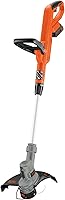
Cordless String Trimmers: The Complete Buying Guide
Choose a cordless string trimmer by matching its battery platform, cutting width and handling to your yard. Pick guided edging for walkway borders, a wider path for open grass, and manageable weight for close work.
On this page (14 sections)
- What should you compare in a cordless string trimmer?
- Which battery platform fits your yard?
- How wide should the cutting path be?
- What line-feed system is easiest to manage?
- What head features help with edging?
- Which cordless string trimmers fit common needs?
- How do you judge weight, balance and reach?
- How should you compare runtime and charging?
- How should you set up a new cordless string trimmer?
- How do you get cleaner cuts without wasting line?
- Which common mistakes should you avoid?
- What care does a cordless trimmer need?
- What should you check before buying?
- How do you choose a cordless string trimmer?
Choose a cordless string trimmer that fits your usual yard work, with comfortable handling, the right cutting head and a battery setup that lets you finish. Start with the borders and obstacles you maintain, then compare models.
For walkway edging, give priority to an edging mode and useful guides. For open grass, consider cutting coverage; for beds and corners, focus on control and clearance.
A small lawn can have a lot of trimming if it has fences, trees and garden beds. Count the work outside the mower's reach before choosing by yard size alone.
What should you compare in a cordless string trimmer?
Compare battery fit, cutting width, line feed and handling first. Then check edging features and package contents so the tool arrives ready for the work you expect.
| Feature | What to check | Why it matters |
|---|---|---|
| Battery | Exact platform, included capacity and charger | Determines compatibility and your charging setup |
| Cutting width | Fixed width or adjustment range | Changes coverage and clearance near obstacles |
| Line | Approved diameter and replacement method | Keeps the cutting head working as designed |
| Feed system | Automatic, bump or push-button feed | Determines how you advance worn line |
| Head | Edging conversion, tilt and guides | Affects access and border work |
| Handling | Grip position, reach and balance | Helps you hold a steady cutting height |
| Package | Battery, charger, guard and spool | Shows what else you need before starting |
Choose for the hardest routine task, not the rarest job on your property. Weekly lawn edges should drive the choice more than a patch of woody growth you clear once.
A string trimmer cuts grass and suitable weeds with flexible line. It doesn't replace a mower for the main lawn or a brush cutter for stems beyond its approved use.
Which battery platform fits your yard?
Start with compatible batteries you already own, but choose another platform if your current one doesn't offer a suitable trimmer. Battery sharing helps only when the tool itself fits your work.
Check the exact battery family, not just the brand or voltage. Different systems from the same brand may use different batteries and chargers.
Also think about tools that share that battery during the same session. If your mower, blower and trimmer all need it, one pack may leave you stopping to recharge between jobs.
For a closer look at choosing a system, read which battery voltage a string trimmer needs. Our guide to electric vs gas weed eaters covers the broader choice if you have long sessions or heavy growth.
Is a 20V, 40V, or 56V cordless string trimmer right for you?
Choose the specific cordless string trimmer, not the largest voltage number. Cutting width, approved line, controls and battery capacity all matter alongside voltage.
Voltage identifies part of the battery system; it isn't a direct measure of cutting results. No-load speed also describes the head without a cutting load, so it isn't a useful ranking by itself.
Amp-hours need context too. A higher amp-hour figure doesn't establish longer runtime across tools with different voltages, motors and workloads.
For a buyer, the useful question is simpler: does this package support your normal route around the yard, with acceptable weight and a workable charging plan?
Should you buy tool-only or a kit?
Buy a kit for your first tool in a battery platform. Tool-only makes sense when you already own a suitable battery and charger that the manufacturer approves for that model.
All 4 packages covered here include a battery and charger. An extra kit can still be useful for an existing platform owner who needs another pack for shared yard tools.
Don't count an old battery as a dependable spare without considering its condition. A pack that already struggles in another compatible tool may interrupt your trimming routine too.
Our tool-only or kit guide explains how to compare those packages without buying parts you don't need.
How wide should the cutting path be?
Choose a wider path for open stretches and a narrower path for frequent close work. Cutting width is the circle swept by the line, so it affects both coverage and nearby clearance.
Along an open fence line, extra reach can reduce overlapping passes. Between closely spaced plants, that same reach demands more care to keep the line away from stems.
An adjustable cutting path gives you a choice between coverage and a smaller working circle. Follow the manual when changing it, including any guard-mounted line cutter adjustment.
Don't choose width as a shortcut for cutting strength. Dense growth, line size, cutting technique and the tool's approved use matter more than the width alone.
For overgrown areas, first check what a string trimmer can cut. Woody stems and tangled brush can call for another tool even when a trimmer has a broad cutting path.
How much trimming does your yard actually need?
Estimate the length of your trimming route, rather than using lawn area alone. Walk the fences, beds, trees and walkway borders that your mower leaves unfinished.
Separate short grass from neglected patches. Routine touch-ups and tall, tangled weeds place different demands on the same tool and battery.
Notice how often you must turn, reach or stop to protect plants. A tool that covers open ground quickly may offer little benefit on a route made mostly of tight corners.
What line-feed system is easiest to manage?
Choose a feed system whose controls and refill steps you understand. Advancing line while cutting and loading fresh line into the head are separate jobs.
- Automatic feed: Advances line through a model-specific operating sequence, such as releasing the trigger.
- Bump feed: Advances line when you tap the head as directed in the manual.
- Push-button feed: Gives you a control for requesting more line.
The Greenworks and Ryobi use automatic feed, while the WORX uses push-button Command Feed. EGO's Rapid Reload feature concerns loading replacement line, so don't confuse it with a push-button feed control.
With automatic feed, learn what triggers advancement. Repeatedly cycling the trigger can use extra line on models that feed with each release.
Use the approved line diameter, even if thicker line looks stronger. Oversize line can feed poorly and place extra load on a head designed for something smaller.
Prewound spools can simplify replacement, while winding bulk line takes care with direction and tension. Check your head's refill method before choosing supplies, and follow our guide on how to load line in a string trimmer.
What head features help with edging?
Choose an edging conversion or pivoting head if maintaining walkway borders is a main task. A guide wheel can support the tool, while a tilting head helps reach certain awkward areas.
Those features solve different problems. Tilt changes the head angle, edging conversion puts the line into an approved border-cutting position, and a wheel provides a guide or support.
Keep expectations clear: a string trimmer can maintain a grass edge, but a dedicated blade edger serves a different role. Read string trimmer vs edger if you're opening an overgrown border or want a defined cut into soil.
For technique, start with how to edge with a string trimmer. Compare string trimmers with wheels if supporting the tool along hard borders is a priority.
Which cordless string trimmers fit common needs?
Choose the WORX for supported edging, EGO for open stretches, Greenworks for routine grass trimming, or Ryobi for mixed spaces. Each solves a different buying problem through its head, cutting system or controls.
These choices focus on grass and suitable weeds around a maintained yard. Pick another tool when your main job is woody brush or growth outside the trimmer's approved use.
WORX WG163 20V 2-in-1 Trimmer and Edger
Choose the WORX if you spend much of your time maintaining lawn edges beside walks and beds. It converts between trimming and edging, and rubberized wheels support and guide the edging position.
Best for guided edging
The head tilts 90 degrees for access on uneven ground and in awkward spots. An adjustable spacer guard gives you a reference near plants and landscape features, though you still need clearance from the spinning line.
Its stated machine weight is 5.5 pounds, and it uses 0.065-inch line. Confirm how the fitted battery affects balance rather than comparing machine weight directly with another tool's ready-to-use weight.
The second battery gives you a spare to swap in, provided you keep it charged. It doesn't establish a total runtime, so plan your first session around the route you need to finish.
Choose it for regular lawn care where edging support matters more than broad coverage. Skip it if your main job is long stretches of open growth and you want the wider cutting path offered by the EGO.
WORX Power Share batteries work within the brand's Power Share family, including its 20V and 40V tools. Check each tool's battery requirements before planning a shared set.
EGO Power+ ST1502SA 15-Inch Trimmer
Choose the EGO for longer stretches of open grass and fence-line trimming. Its 15-inch cutting path and 0.095-inch line make it the broader-cutting option among these 4.
Best for open yard borders
Variable speed lets you reduce output for lighter work and increase it as the grass demands. The Rapid Reload head addresses a recurring maintenance task by making fresh line easier to load.
EGO claims up to 45 minutes of runtime with the included battery and a 50-minute charge with the included charger. Use those figures for planning, while allowing for shorter working time under heavier load.
The trimmer accepts EGO 56V ARC Lithium batteries, and the included battery works with EGO power tools. That makes it worth considering if you're building a shared outdoor-tool battery setup.
Choose it when cutting coverage is your main need and you can steer the wider path comfortably. Skip it if wheel-guided edging is your main reason for buying, since the WORX provides that specific feature.
EGO backs the tool with a 5-year limited warranty and the battery with a 3-year warranty. Check the applicable terms, especially if your intended use goes beyond home lawn care.
Greenworks 40V 12-Inch Trimmer
Choose the Greenworks for routine grass trimming with automatic line feed. Its dual-line cutting head and variable-speed trigger suit regular cleanup around a maintained lawn.
Best for weekly grass trimming
Automatic feed removes the need to bump the head for more line. It still needs the correct refill method, so learn how to check the spool before assuming a feed problem requires a new head.
The cutting system uses 0.065-inch line. Keep suitable replacements available, particularly if your route includes rough surfaces that can wear line quickly.
Choose it if you want a compact cutting circle and trigger control for ordinary grass work. If you already own Greenworks batteries, confirm exact compatibility before counting them as spares.
Skip it if a dedicated edging conversion is central to your routine. The WORX and Ryobi provide clearer options for buyers who want to switch the head into an edging position.
Also assess carrying comfort carefully. A compact cutting path doesn't mean the complete tool will feel light or balanced for every user.
Ryobi ONE+ 18V 13-Inch Trimmer and Edger
Choose the Ryobi for a route that mixes tight beds, open sections and edging. Its cutting width adjusts from 11 to 13 inches, and its head pivots through a step-to-edge mechanism.
Best for mixed yard spaces
Use the narrower setting where clearance matters and the wider setting where there is room to work. The variable-speed trigger gives you another way to control cutting near fences and other obstacles.
This model accepts 0.065-inch and 0.080-inch line. Follow Ryobi's loading instructions for the size you choose instead of changing line based only on what fits through the head.
The auto-feed head advances line when you release the trigger. Keep that behavior in mind if you tend to squeeze and release repeatedly during close work.
Its included battery works with the Ryobi 18V ONE+ system, and Ryobi backs the model with a 3-year warranty. It is a practical choice for buyers who want those shared batteries and an adjustable cutting setup.
Skip it if supported, wheel-guided edging is your top priority. Also choose the EGO instead if wider coverage matters more than adapting the cutting circle to small spaces.
How do you judge weight, balance and reach?
Choose a trimmer you can hold at the right cutting height without lifting your shoulders or bending your back. Balance and grip position matter alongside total weight.
If possible, handle it with the battery fitted. A bare tool can feel quite different once the pack is attached.
Set the front handle so your elbows stay slightly bent and the head rests near working height. You should be able to guide the cutting circle without holding the tool far from your body.
Reach matters under benches and beside raised beds, but don't buy extra reach at the cost of poor control. Walk around an obstacle when possible instead of stretching the tool across it.
For slopes, plan where you'll stand before judging a tilt feature useful. Secure footing comes first, and the head must remain in an operating position allowed by the manual.
How should you compare runtime and charging?
Plan for enough battery capacity to finish your usual route with some margin. Runtime changes with growth density, speed, line condition and how much you ask the head to cut at once.
Dry, regularly trimmed grass generally puts less demand on the tool than tall, dense growth. Feeding the head slowly through a heavy patch can work better than forcing a broad sweep.
A spare battery helps when charging would otherwise stop the job. Compare charger time with your work routine, since a depleted pack may not be ready when the next tool needs it.
Don't assume 2 batteries mean nonstop work. Charging speed, battery temperature and the load on the tool all affect whether swapping packs keeps you moving.
For your first few sessions, note which sections you finish before recharging. That gives you a useful basis for deciding whether another compatible battery is needed.
How should you set up a new cordless string trimmer?
Assemble and adjust the tool before installing its battery. Follow the model's manual for the guard, shaft, handle, spool and any edging parts.
Start by checking that each required part is present. All guards and fasteners must be fitted correctly, even if the tool arrives mostly assembled.
- Read the controls and assembly steps. Locate the lockout, trigger, feed control and head adjustments.
- Fit the guard and handle. Use the specified hardware and tightening method.
- Check the line and spool. Confirm that the line is routed correctly and any shipping restraint is removed as directed.
- Set your working position. Adjust the handle or other adjustable parts with the battery removed.
- Charge the battery as directed. Use the approved charger in the conditions allowed by its manual.
- Clear the work area. Remove stones, wire, toys and loose objects before starting.
Wear eye protection and sturdy footwear, plus any other protection the manual requires. Keep people and pets outside the specified operating area because the spinning line can throw debris.
Begin in a clear patch of grass to learn the controls and cutting reach. Stop and readjust with the battery removed if the tool pulls you into an awkward posture.
How do you get cleaner cuts without wasting line?
Let the tip of the line do the cutting, and move at a pace that keeps the head turning freely. Pushing the center of the head into growth wastes effort and can cause tangles.
Keep a steady cutting height rather than dipping toward the soil at the end of each sweep. Scalping exposes bare ground and makes a maintained lawn look uneven.
Approach fences, masonry and paving gradually. Repeated contact wears line quickly, and extra feed won't correct a cutting path pressed against a hard surface.
Protect tree bark, shrubs and young plants with space, not just a guard. Flexible line can damage them before you notice a deep mark.
For tall grass, reduce the height in stages instead of burying the head at ground level. Stop if growth wraps around the shaft or head, then remove the battery before clearing it.
Use only the speed the task needs when the tool offers variable control. Our guide to using a string trimmer the right way covers stance, cutting direction and working around obstacles.
Which common mistakes should you avoid?
Avoid choosing by voltage alone, forcing heavy growth and using the wrong line. Those mistakes can turn a suitable tool into an awkward one.
- Buying for lawn area alone: A small property with many beds may need more trimming than a large, simple lawn.
- Ignoring ready-to-use balance: Compare handling with a battery installed, not just a weight figure.
- Removing the guard for more reach: Keep the required guard and line cutter fitted.
- Adding thicker line without approval: Use only sizes the head and tool support.
- Treating every head as a bump-feed head: Follow its actual advancement method.
- Running line against hard surfaces: Maintain clearance to reduce wear and surface damage.
- Using a trimmer as a brush cutter: Stop when growth exceeds the tool's intended use.
If cutting weakens, check for worn line, wrapped grass and a low battery before pushing harder. Remove the battery before inspecting the head or touching anything near the cutting system.
If the tool repeatedly stops under load, reduce the amount you cut at once. Follow its instructions for any cooling period rather than repeatedly restarting into the same jam.
What care does a cordless trimmer need?
Clean the head, inspect the line system and store the battery correctly after use. A cordless tool avoids fuel care, but its cutting parts still need attention.
Remove the battery before cleaning. Clear grass from the head, guard and ventilation openings using the method allowed in the manual.
Check the spool cap, line outlets and guard for wear or damage. Replace damaged parts before the next session, and use approved replacements.
Keep the charger and electrical contacts clean and dry. Don't hose down the tool or immerse it unless its instructions specifically allow that cleaning method.
Let a hot battery cool as directed before charging. Store batteries away from heat and follow the manufacturer's guidance for long periods without use.
Keep the model number with your spare-line supplies. It makes finding the right spool, cap or replacement part easier than relying on the brand name alone.
What should you check before buying?
Confirm battery compatibility, handling and replacement supplies before placing the order. Then check whether the tool covers the job you actually need to finish.
Write down your main task, your tightest working space and whether edging is essential. Those 3 details make it easier to reject an appealing tool that doesn't fit your route.
Check these final points:
- The exact model and complete package contents.
- Compatibility with any battery or charger you plan to reuse.
- Approved line sizes and the refill method.
- Comfortable grip, reach and balance with the battery fitted.
- An edging method that matches your borders.
- Access to suitable replacement line, spools and wear parts.
- Warranty terms that apply to your intended use.
Don't buy extra batteries before deciding where charging will happen. A suitable dry charging space and a workable routine may matter more than owning several packs.
How do you choose a cordless string trimmer?
Choose your cordless string trimmer by the job you repeat most. Make edging support, open-ground coverage or close control the deciding feature, then confirm the battery setup.
Pick the WORX for guided walkway edging and regular lawn touch-ups. Pick the EGO when open borders make broader cutting coverage more useful.
Choose the Greenworks for routine grass trimming with automatic feed. Choose the Ryobi when adjustable width and an edging conversion fit a route with varied spaces.
Before buying, walk that route once and note the tight corners, hard surfaces and longest uninterrupted stretch. For more choices matched to those needs, compare our best battery string trimmers and best string trimmers for home use.
Frequently asked questions
What should I look for in a cordless string trimmer?
Start with battery compatibility, comfortable handling and the kind of growth you cut. Then compare cutting width, line diameter, feed method and edging features.
Check the complete kit, including its battery and charger, and make sure you can find the right replacement line or spool before buying.
Is a 20V or 40V string trimmer better?
Neither voltage is automatically better for your yard. Choose by the tool's cutting system, controls, battery compatibility and intended work rather than the voltage number alone.
A higher-voltage tool can still be the wrong fit if its weight or head design makes your usual trimming harder.
How wide should a string trimmer cut?
Choose a narrower cutting path for tight beds and frequent obstacles, or a wider path for longer stretches of open grass. Width describes the line's cutting circle, not the tool's strength.
An adjustable-width model lets you change coverage, but you'll still need careful clearance around plants and hard surfaces.
Do cordless string trimmers come with a battery?
Some come as kits with a battery and charger, while tool-only versions leave those out. All 4 packages covered here include a battery and charger.
If you're buying another version, confirm the package contents and exact battery platform rather than assuming a familiar brand name means compatibility.
Can a cordless string trimmer edge a lawn?
Yes, models with an edging mode can maintain the border between grass and a walkway. A pivoting head changes the cutting position, while a guide wheel can help support the tool.
For support options and their limits, see our guide to string trimmers with wheels.