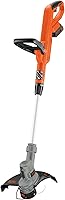
Can a String Trimmer Cut Thick Weeds and Brush?
A weed eater for thick brush needs a cutting head approved for the stems. Line suits dense grass and flexible weeds; woody growth needs a brush cutter and blade approved for that vegetation and stem size.
On this page (8 sections)
- Can a weed eater for thick brush handle the job?
- What vegetation can trimmer line cut?
- When do you need a brush cutter blade?
- Can a battery string trimmer cut thick weeds?
- How do you choose a tool for your patch?
- How should you set up and clear thick weeds?
- What care keeps a trimmer ready for heavy weeds?
- Which weed eater for thick brush should you choose?
A weed eater for thick brush must match the stems you're cutting: line handles dense grass and flexible weeds, while woody growth calls for an approved brush-cutting tool and blade.
For SundaySmarts, the first buying question is whether your patch is overgrown lawn, tough weeds, or actual woody brush. That choice matters more than battery voltage, engine size, or cutting width.
Can a weed eater for thick brush handle the job?
A weed eater can handle dense, flexible growth, but a line-only model isn't the right purchase for woody stems. Check several plants across the patch before choosing a tool.
Tall grass can look harder to clear than a short woody shoot, yet the shoot may need a different cutting attachment. Inspect the stems with the machine off, and watch for thorns, hidden wire, and unstable footing.
For mixed growth, plan separate passes with the right head for each task. Our guide to string trimmers and brush cutters explains which tool fits each kind of work.
What vegetation can trimmer line cut?
Trimmer line suits grass and soft weeds with flexible stems. Dense patches call for controlled passes, rather than pushing the whole head into the growth at once.
Where the manual allows it, shorten tall growth in stages so long stems don't fall across the head. Keep the cutting area visible and leave enough room to step back without tripping over cut material.
Line can also damage bark, fence coatings, and other surfaces. Clear close to young trees or exposed wire with a suitable hand tool instead of sweeping blindly against them.
Does thicker line help a weed eater cut thick brush?
Heavier approved line can help with tough, flexible weeds, but it doesn't turn a grass trimmer into a woody-brush cutter. Stay within the diameter and line type allowed for the head.
Oversized line can feed poorly and increase load. Repeated breakage is a reason to inspect the spool, obstacles, and vegetation, rather than keep increasing line size.
When do you need a brush cutter blade?
You need an approved blade setup when the stems exceed the line head's limits. Match the blade to the vegetation: a grass blade shouldn't be treated as permission to cut woody stems or saplings.
The 2 gas options below include both line and blade cutting parts. Choose between them by the work you need those parts to do, then confirm the operating limits in the manual.
Wild Badger: for mixed grass and thicker weeds
The Wild Badger 26cc 3-in-1 Gas Trimmer suits buyers who want separate cutting options in one package. It includes a 17-inch line setup and a 10-inch brush-cutter blade, which Wild Badger describes as suitable for thicker weeds and brush.
Its 2-cycle engine means you'll need the correct fuel and oil mix, plus routine engine care. Tool-free air-filter access helps with that upkeep, and the included shoulder strap supports the tool during work.
Choose it for a mixed patch where changing cutting heads makes sense. Skip it if you want battery operation or mainly maintain short lawn edges, where engine care adds work without solving a harder cutting problem.
Husqvarna: for grass-blade work with support
The Husqvarna 122RJ suits buyers who need a grass blade, line head, and adjustable harness. Its J-handle and barrier bar are also relevant to choosing a supported blade-cutting setup.
Husqvarna includes Smart Start and an air-purge system to help with starting. Those features don't remove the need to follow the starting sequence or maintain the fuel system.
Choose it when its supplied grass blade matches your clearing task. Skip it if your main job is woody saplings unless you first confirm a suitable approved blade and all required parts.
For lawn work centered on line cutting, compare our gas string trimmer guide before choosing a blade-equipped tool.
Can a battery string trimmer cut thick weeds?
A battery trimmer can handle heavy grass and flexible weeds with a suitable head and line. The battery models below are useful choices for that work, but neither should be bought on the assumption that attachment capability guarantees brush-blade support.
Greenworks: for regular overgrowth and shared yard tools
The Greenworks 60V 16-Inch Trimmer suits buyers who want a complete battery kit for heavier line trimming. It has a brushless motor, 0.095-inch dual line, and a Load N’ Go head for reloading.
Its shaft accepts compatible Greenworks attachments, making it worth considering if you want one powerhead for several yard jobs. The included battery also works across the Greenworks 60V platform.
Choose it for recurring grass and weed control, especially if those shared tools fit your plans. Skip it if woody clearing is the main job or you need a lighter tool: its stated weight is 18.7 pounds.
DeWalt: for varied trimming areas and speed control
The DeWalt 60V 17-Inch Trimmer Kit suits buyers who want control over cutting width and speed. Its swath adjusts between 15 and 17 inches, with a variable trigger and high and low speed settings.
The brushless trimmer uses 0.080-inch dual line and also supports DeWalt 0.095-inch line. A quick-load spool helps with line changes, and the kit includes a battery and charger.
Choose it if your route mixes open patches with tighter spaces and you want adjustable controls. Skip it if you expect every universal attachment to fit; confirm the exact attachment and required protective parts first.
Our attachment-capable trimmer guide explains what to check at the connection. For battery planning, see the cordless string trimmer buying guide.
How do you choose a tool for your patch?
Choose by stem type, work duration, and handling, in that order. A wide cutting path helps in open grass, but it won't solve a mismatch between the cutting head and woody growth.
Walk the area before ordering and note these needs:
- Mostly soft weeds: prioritize an approved line size, easy reloading, and comfortable balance.
- Mixed grass and tougher growth: consider a tool with separate approved cutting heads.
- Woody shoots or saplings: establish stem sizes and required blade capability before choosing the machine.
- Long clearing sessions: plan battery capacity or fuel needs, support, and breaks.
- Tight spaces: favor control and clearance around obstacles over maximum swath.
Don't estimate runtime from voltage alone. Dense growth, trigger use, and cutting technique affect how much work a battery charge covers.
If your work is mainly line trimming, our battery string trimmer picks provide more options. Avoid buying extra brush-cutting equipment for a yard that only needs regular weed control.
How should you set up and clear thick weeds?
Start with a clear work area and a correctly assembled tool. Walk the patch, remove loose debris where safe, and identify wire, rocks, irrigation parts, and anything hidden in the growth.
Fit the approved guard and cutting head, then adjust the handle and any required strap or harness. Check balance before starting so you can hold the head in its working position without lifting with your wrists.
Wear the protective equipment specified in the manual, including eye and hearing protection as required. Keep people and pets beyond the prescribed clearance distance, and use gas tools outdoors.
Follow the manual's operating speed, sweep direction, and blade-thrust precautions. Don't ram the head into tangled growth, cut where you can't see, or continue when the tool struggles.
Stop if stems wrap around the shaft or head. Wait for movement to end and follow the procedure to prevent accidental starting before touching cutting parts.
For stance and sweeping technique, see how to use a string trimmer.
What care keeps a trimmer ready for heavy weeds?
Keep the head clean, line correctly wound, and cutting parts secure. After shutdown and isolation, remove wrapped grass and clear debris from cooling openings as the manual directs.
Inspect line heads for damage and blades for cracks, loose mounting parts, or other wear. Don't keep working with a damaged blade, and follow the specified sharpening or replacement procedure.
For gas tools, use the required fuel mix and storage steps. For battery tools, let a hot pack cool as instructed and follow its charging and storage guidance.
A poorly loaded spool can interrupt cutting even when the tool suits the weeds. Follow our guide to loading line in a string trimmer and use the head's specified winding direction and capacity.
Which weed eater for thick brush should you choose?
Choose a weed eater for thick brush by the hardest stems you must clear, then check that the complete cutting setup is approved for them. Don't pay for voltage or attachment options that leave your actual cutting job unresolved.
Pick Greenworks for a complete battery kit and shared Greenworks yard tools, or DeWalt for adjustable swath and speed controls. Both fit heavier grass and flexible weeds.
Choose Wild Badger when its included brush blade suits your mixed clearing work. Choose Husqvarna when a grass blade, harness, and J-handle match the task.
For woody growth beyond those approved setups, use a suitable pruning tool or brush cutter. Before ordering, use our trimmer and brush cutter comparison to settle which kind of tool your patch needs.
Frequently asked questions
Can a string trimmer cut thick weeds?
Yes, a string trimmer can cut thick patches of grass and flexible weeds when its line and power suit the work; stem hardness matters more than plant height. For woody growth, use a brush cutter with a blade approved for the vegetation and stem size.
What kind of trimmer line is best for thick weeds?
Choose the line diameter and shape allowed by your trimmer manual; a heavier approved line can help with tough, flexible weeds, but oversized line can feed poorly and overload the tool. If woody stems resist cutting, change to an approved brush-cutting setup rather than fitting larger line.
Can you put a brush cutter blade on any weed eater?
No, only use a blade on a machine approved for that blade and its required parts; a matching shaft connection alone isn't enough. The guard, handle, mounting hardware, and any required harness must also suit the setup, and the blade must be approved for the plants you're cutting.
Should you use a string trimmer on saplings?
Don't use trimmer line to clear woody saplings; choose loppers, a pruning saw, or a brush cutter specifically approved for their stem size. A grass blade isn't automatically suitable for saplings either, so check the blade's limits before deciding which tool to take into the patch.