Electric vs Gas Weed Eaters: Which Should You Buy? (October 2026)
In an electric vs gas weed eater comparison, choose electric for routine lawn care with simpler upkeep. Choose gas for long jobs away from charging, and match the cutting head to your vegetation.
On this page (11 sections)
- Electric vs gas weed eater: which should you buy?
- How do electric and gas trimmers differ day to day?
- Which power source suits your yard size?
- Which trimmer is better for thick weeds?
- Does a gas trimmer cut a wider path?
- What should you budget for upkeep and accessories?
- Three trimmers for different yard jobs
- How should you set up and use your trimmer?
- Which common mistakes should you avoid?
- Frequently asked questions
- Electric vs gas weed eater: how should you decide?
Choose an electric weed eater for regular lawn edges and simpler upkeep; choose gas for long trimming routes where refueling is more practical than charging. The electric vs gas weed eater decision also depends on the growth you cut and the weight you can comfortably control.
Electric includes corded and battery-powered tools, which solve different problems. Corded models need an outlet and a clear cord route, while battery models trade that tether for charging.
Gas lets you continue after refueling, but adds fuel preparation, engine care and exhaust. Start with your actual trimming route rather than assuming a bigger yard always needs gas.

 Best for trimming under shrubs
Husqvarna 122LK Straight Shaft Gas Trimmer
Electric vs gas weed eater: which should you buy?
Choose battery power for regular home trimming, corded electric for reachable areas with few cord obstacles, or gas for extended work away from charging. Thick vegetation requires the right cutting equipment whichever power source you choose.
For grass along a driveway, beds and a short fence, electric is a sensible starting point. A tool that's easy to carry and ready when needed can matter more than a wide cutting path.
Gas earns its place when you trim long boundaries, move between distant work areas or prefer refueling to managing charged batteries. Skip it if you don't want to prepare fuel or maintain an engine.
For a neglected patch, identify the stems before buying. Soft grass, tangled weeds and woody brush place different demands on the head, line or blade.
How do electric and gas trimmers differ day to day?
Electric simplifies starting and upkeep; gas makes refueling part of the routine. Compare the whole job, including preparation, breaks, cleanup and storage.
Is an electric weed eater easier to start and maintain than gas?
Electric trimmers don't need fuel mixing or an engine-starting sequence. With a battery model, the main preparation is charging and fitting a compatible battery.
Afterward, check for grass wrapped around the shaft or head and inspect the line and guard. Remove the battery or unplug the tool before clearing tangles or doing maintenance.
Battery compatibility deserves attention before you buy. The cordless string trimmer buying guide explains how the tool platform and charging setup affect your choice.
What does gas ownership involve?
Gas ownership means keeping the correct fuel available and following the engine's care schedule. The 2-cycle models here require the fuel and oil preparation specified in their manuals.
Starting aids can reduce effort, but you still need to learn the correct starting steps. Old fuel, skipped maintenance or an incorrect starting sequence can turn a short trimming job into extra work.
Run gas equipment outdoors, away from doors and windows. Let the engine cool before refueling, and use an approved fuel container.
Which power source suits your yard size?
Choose by how much trimming you do and how far you travel, rather than lawn area alone. A large open lawn may need less trimming than a small property filled with beds, posts and fences.
Walk your route and note where a cord would cross paths, wrap around trees or pass through gates. Corded electric makes sense only if a suitable outdoor extension cord reaches the work without constant repositioning.
Check the manual for the required cord gauge and maximum length. Use the specified electrical protection, and keep the cord behind your work and clear of the cutting head.
For battery power, plan around the full route rather than a promised runtime. Dense growth and harder cutting can use charge faster, so leave room for a spare battery or a charging break.
Two batteries don't guarantee uninterrupted work because charging speed and energy use both matter. Our guide to cordless string trimmers covers capacity and platform choices in more detail.
Gas suits routes where returning to charge would interrupt the job. If electric fits your route, compare the best electric string trimmers by handling and equipment.
Which trimmer is better for thick weeds?
Choose a head or blade approved for the growth, rather than treating gas as a shortcut to brush-cutting ability. An ordinary string head doesn't become a brush cutter because an engine powers it.
For tall, soft weeds within the tool's limits, work down in stages instead of pushing the head into the whole clump. This reduces wrapping and lets you see obstacles before cutting near the ground.
Woody stems call for equipment specifically suited to them. Check approved stem sizes, blade types, guards and handle requirements before attempting that work.
The Wild Badger includes a brush-cutter blade for thicker weeds and brush. That makes it relevant here, but it doesn't remove the need to match the blade's limits to your vegetation.
Read how to choose a string trimmer for thick weeds and brush before tackling an overgrown area. Keep people and pets outside the clearance distance required by the manual.
Does a gas trimmer cut a wider path?
Both gas options here cut a 17-inch path, while the WORX has a 12-inch cutting diameter. This comparison describes these models, rather than every electric and gas trimmer.
A wider swath helps on open stretches where you can sweep freely. Around closely spaced plants, a smaller cutting circle can be easier to place without catching nearby growth.
Don't use speed figures or battery voltage as a direct ranking of cutting ability. Engine speed, gearing, head design and line all affect how a tool cuts.
Keep the guard installed and use the approved line diameter. Removing the line-cutting limit or fitting heavier line can put extra load on a tool without making it suitable for tougher vegetation.
What should you budget for upkeep and accessories?
Compare a complete working setup, including power supply, replacement line and the equipment needed for your yard. A bare tool and a ready-to-use kit aren't the same buying decision.
Battery buyers need a compatible battery and charger. Sharing a platform can reduce duplicate equipment, but check exact compatibility rather than assuming batteries with similar voltage will fit.
Corded buyers may need a suitable outdoor extension cord. Gas buyers need approved fuel storage, the specified oil and maintenance supplies.
For either type, include eye protection, suitable footwear and any hearing protection required by the manual. A shoulder strap can support a tool, but it won't make an awkward fit comfortable by itself.
The electric weed eater guide explains where electric models fit well. Compare the best gas string trimmers if refueling and engine care suit your routine.
Three trimmers for different yard jobs
Choose WORX for regular grass edges, Husqvarna for gas-powered reach, or Wild Badger for mixed grass and brush work. Their different cutting setups matter more than choosing a winner by power source alone.
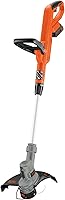
WORX WG163: for regular grass trimming and edging
The WORX suits a homeowner who keeps up with grass around paths, beds and lawn borders. Its 5.5 lb machine weight makes it the lightest option here, although balance and fit still matter.
The head tilts 90 degrees for awkward spots, and rubberized wheels support and guide it in edging mode. The adjustable spacer guard helps you judge clearance near plants and landscape features, but you still need careful passes.
Command Feed supplies line at the press of a button. The kit includes 2 batteries and a charger, so it suits someone starting without a WORX battery setup.
Skip it if your main job is clearing brush or cutting broad areas of heavy growth. Its strengths are regular grass care and switching between trimming and guided edging.
Husqvarna 122LK: for gas users trimming around shrubs
The Husqvarna suits occasional homeowner work where a straight shaft helps reach beneath bushes. Choose it when that reach and gas refueling fit your route.
Its 22cc 2-cycle engine uses Husqvarna's SmartStart system, designed to make starting easier. The detachable shaft accepts compatible attachments, giving you an option to expand into other yard tasks.
Confirm the exact attachment needed before planning another job around the powerhead. Attachment capability doesn't mean every accessory or another brand's attachment will fit.
At 10.6 lb, it asks more of your arms than the WORX machine weight suggests. Skip it if your main goal is quick lawn touch-ups with minimal preparation, or if you need an included brush-cutting setup.
Wild Badger 26cc: for grass and suitable brush clearing
The Wild Badger suits a property with both lawn trimming and thicker vegetation. It includes a string-trimmer attachment and a 10-inch brush-cutter blade, rather than requiring you to plan around a future blade purchase.
Its 26cc full-crank 2-cycle engine powers the system, and compatible Wild Badger attachments can expand its uses. Tool-free air-filter access makes that maintenance point easier to reach.
At 12 lb, it's the heaviest choice here. Adjust the included shoulder strap and handle before work so you can control the cutting head without constantly lifting from your shoulders.
Skip it for a small, tidy lawn where grass edges are the whole job. Switching cutting equipment adds setup, and blade work requires its own operating method and precautions.
How should you set up and use your trimmer?
Fit the tool to your posture before cutting, then use controlled passes with the line tips. Poor adjustment can make even a lighter trimmer tiring.
With power disconnected, install the guard and cutting equipment exactly as directed. Adjust the handle and any strap so you can stand upright without reaching far ahead or twisting your wrists.
Clear stones, wire, toys and loose debris from the work area. Wear the required protective gear, and keep the cutting head away from feet, windows and parked vehicles.
Start with a small patch of ordinary grass to learn the controls and debris direction. Hold the head at a steady height, overlap passes and avoid sweeping so low that you strip the lawn to soil.
Use the line tips instead of burying the head in growth. For a fuller technique guide, see how to use a string trimmer.
Which common mistakes should you avoid?
Avoid buying around one impressive number or asking the tool to cut vegetation beyond its limits. Better technique and correct cutting equipment matter throughout ownership.
- Pressing line against fences and trees: this wastes line and can damage bark or surfaces. Approach slowly and leave clearance.
- Fitting the wrong line: use the specified diameter and winding direction. Our guide to loading string-trimmer line explains the basic process.
- Ignoring a wrapped head: stop and disconnect power before clearing grass. Don't reach toward cutting equipment that could start.
- Treating edging as ordinary trimming: use the approved mode or attachment and keep the head under control.
- Storing equipment without preparation: follow battery storage instructions or the engine's off-season fuel procedure before putting the tool away.
Frequently asked questions
Choose by your trimming route and vegetation first, then check the tool's setup requirements. These answers cover a few common choices.
Are electric weed eaters good for small yards?
Yes, electric trimmers suit regular grass care in small yards. Choose corded power when a suitable cord has a clear route, or battery power when trees and gates make a cord awkward.
Can I use a gas trimmer for edging?
Yes, if its design or approved attachment supports edging. The Wild Badger includes edging among its uses; for the attachment-capable Husqvarna, confirm the equipment and method required for the edge you want.
Should I get a battery or gas trimmer for a large yard?
Choose battery if available charge covers your route, or gas if refueling better suits long sessions. Carrying weight and the amount of edge work matter more than lawn area alone.
Is a brush cutter the same as a string trimmer?
No, a brush cutter uses a blade rather than cutting line. Some systems support both, but changing over requires the approved blade, guard and other specified parts.
Electric vs gas weed eater: how should you decide?
Make the electric vs gas weed eater choice around your most frequent job, with a separate plan for occasional heavy clearing. Don't carry extra weight and maintain an engine all season solely for one overgrown corner.
Choose the WORX for regular grass trimming and guided lawn edging. Choose the Husqvarna when gas refueling, reach beneath shrubs and compatible attachments match your work.
Choose the Wild Badger when its included brush-cutting equipment suits growth you regularly need to clear. If none of those jobs require gas, start with electric weed eaters; otherwise, compare the gas trimmer options against your route and carrying needs.
Frequently asked questions
Are electric weed eaters powerful enough for a yard?
Yes, electric weed eaters can handle routine lawn trimming when you choose equipment suited to the growth. Decide between cord reach and battery charging, then compare handling and approved line; dense weeds or woody stems require a tool designed for that vegetation, regardless of its power source.
Does a gas weed eater cut better than an electric one?
No, gas power doesn't automatically produce a cleaner cut. Suitable line, a maintained cutting head and controlled passes matter with either power source; choose gas for a work routine that benefits from refueling, rather than assuming an engine will fix poor technique or unsuitable cutting equipment.
Is an electric string trimmer easier to maintain?
Yes, electric trimmers avoid fuel mixing and gas-engine maintenance. You still need to replace worn line, inspect the head and guard, remove wrapped grass and care for the power supply; disconnect power before maintenance, and follow the manual for battery storage or extension-cord checks.
Can a battery weed eater handle thick weeds?
Some battery trimmers can handle heavier weeds, but suitability depends on the specific tool and its approved cutting equipment. Don't fit thicker line or a blade to a grass trimmer without approval; use equipment designed for the stems you need to cut and follow its vegetation limits.
Which is better for a large yard, electric or gas?
Gas suits long trimming routes where refueling is more practical than charging, while battery power can suit large lawns with little edge work. Count the fence lines, beds and obstacles you trim, then consider session length, spare batteries, carrying weight and the upkeep you're willing to handle.