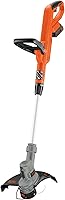
Are Electric Weed Eaters Any Good?
Yes, electric weed eaters are good for routine home trimming, including grass, soft weeds, and lawn borders. Choose corded when an approved extension cord reaches your work area, or battery-powered for yards with scattered trimming spots.
On this page (8 sections)
- Are electric weed eaters any good for regular yard work?
- What can an electric weed eater cut?
- Is a corded electric weed eater a good choice?
- Is a battery weed eater worth it?
- Can an electric trimmer also edge a lawn?
- How should you set up an electric weed eater?
- What care and habits prevent common problems?
- Are electric weed eaters any good for your yard?
Yes, electric weed eaters are good for routine yard work, especially grass, soft weeds, and lawn borders. The right choice depends on where you trim and what you cut: corded tools need a workable cord route, while battery tools need enough charge to finish.
Judge the job by your trimming route, not just lawn size. A large open lawn may need little trimming, while a small yard with fences, beds, and trees can keep you working much longer.
Are electric weed eaters any good for regular yard work?
Electric weed eaters suit regular cleanup after mowing. They reach grass beside fences, around beds, and along paths where mower wheels can't get close enough.
They also avoid fuel mixing and gas-engine starting routines. You still need to fit cutting line, inspect the tool, and keep debris away from the head and guard.
Their limits show up when grass becomes tall and tangled, stems turn woody, or the job runs beyond your available power. Keeping up with growth makes trimming easier than trying to clear months of overgrowth at once.
Our cordless string trimmer buying guide explains battery choices. For a wider selection across both power sources, see the best electric string trimmers.
What can an electric weed eater cut?
Electric weed eaters cut grass and soft-stemmed weeds with spinning line. Woody brush, saplings, and dense cane growth need a tool and cutting attachment approved for that work.
For tall grass, remove the upper growth first, then lower the head for another pass. Pushing straight into the base can wrap long stems around the head and slow your progress.
When are electric weed eaters good for tougher weeds?
Electric weed eaters suit tougher weeds when the tool is approved for the growth and you can take small passes. Feed only the outer part of the cutting circle into the weeds instead of burying the head.
The BLACK+DECKER BESTE620 has a 6.5-amp motor and a 14-inch cutting width. BLACK+DECKER describes it as suitable for tough weeds, grass, and overgrowth.
Choose this model for a reachable yard where you want broader passes and control over when line advances. Skip it if your route takes you far from an outlet or around obstacles that would repeatedly snag a cord.
For woody stems or a neglected patch, read what a string trimmer can cut before choosing equipment. More motor power doesn't turn a line trimmer into a brush cutter.
Is a corded electric weed eater a good choice?
A corded model makes sense when an approved extension cord reaches every trimming spot by a clear route. You can keep working without waiting for a battery to charge.
Check the manual's outdoor cord requirements for wire gauge and maximum length before buying. An outlet being nearby doesn't mean any extension cord will work.
Start near the power source and plan your route so the cable stays behind you, clear of the head. Use the cord retainer as directed, and stop to reposition the cable whenever it crosses your path.
The BLACK+DECKER ST8600 combines a 5-amp motor with automatic line feed and wheeled edging. Its adjustable height and handle help you set a working position without bending over the head.
Choose the ST8600 for routine border work when you prefer line to advance automatically. Choose the BESTE620 instead if you want push-button feed; skip both if cord handling would interrupt nearly every move.
Is a battery weed eater worth it?
A battery weed eater is worth buying for scattered trimming spots or awkward cord routes. It lets you move between the front yard, fence line, and beds without dragging a cable around each obstacle.
Check battery compatibility by tool family, not voltage alone. Our guide to which battery voltage a string trimmer needs explains why voltage isn't enough to judge capability.
The WORX WG163 has a 12-inch cutting width, a head that tilts 90 degrees, and wheeled edging. It includes 2 batteries and a charger, so you can start without assembling a separate battery setup.
Choose the WORX for regular grass trimming around closely spaced beds and borders, especially when edging is part of the same job. Skip it if your main need is broad passes across open stretches or clearing coarse overgrowth.
The EGO ST1502SA pairs a 15-inch cutting swath with 0.095-inch line, variable speed, and a Rapid Reload head. Its kit includes a 2.5Ah battery and charger.
Choose the EGO for longer open trimming runs where the wider swath has room to work. Skip it if your priority is wheeled edging or most of your work involves short, tight borders.
EGO claims up to 45 minutes of runtime with the included battery and a 50-minute charge time. Plan for less runtime in demanding growth, and don't assume one battery can support nonstop work through a longer session.
For jobs that exceed a practical battery plan, compare electric vs. gas weed eaters.
Can an electric trimmer also edge a lawn?
A trimmer with an edging mode can maintain the boundary between grass and pavement. A dedicated edger is better suited to establishing a cut into soil or reclaiming a heavily overgrown border.
The WORX and both BLACK+DECKER models here support wheeled edging. The wheel supports and guides the tool, but you still need to follow the edge steadily rather than force it forward.
Keep the line clear of pavement as much as possible because repeated contact wears it down. Follow our steps for edging with a string trimmer to set your position and direction of travel.
If your goal is a deep, defined trench along the walkway, compare a string trimmer with a dedicated edger before expecting one tool to do both jobs.
How should you set up an electric weed eater?
Set the tool up so you can stand upright with both hands in control. Attach the guard and handle as directed before connecting a battery or plugging in a cord.
Adjust the shaft or handle where the design allows it. Hold the head near cutting height with relaxed arms rather than reaching forward or bending at the waist.
Before each session:
- Remove stones, wire, toys, and other loose objects from the area.
- Inspect the head, guard, line, battery connection, or power cord for damage.
- Wear eye protection, long pants, and sturdy footwear, plus other gear required by the manual.
- Keep people and pets outside the manual's stated clearance distance.
- Use required outlet protection and follow the tool's restrictions on wet conditions.
Read how to use a weed eater safely before starting. A spacer guard helps you judge distance from plants, but the line can still damage stems and tree bark.
What care and habits prevent common problems?
Correct line and a clean cutting head prevent many avoidable interruptions. Disconnect power before clearing wrapped grass, opening the spool, or cleaning the tool.
Use the approved line diameter and loading method. Thicker line isn't a free power upgrade: line outside the tool's limits can feed poorly and place extra load on the motor.
Keep spare line ready and learn how to load a string trimmer before the spool runs out mid-job. Don't bump a head that uses automatic or push-button feed.
Let the line tips do the cutting with a steady sweep. Grinding the head against fences wastes line, while cutting too low can scalp grass and throw dirt.
After use, remove clippings as the manual allows and inspect the guard. Store the tool dry, follow battery storage guidance, and replace damaged cords rather than patching them for continued yard use.
Are electric weed eaters any good for your yard?
Electric weed eaters are a good choice when routine grass trimming matches their reach and work time. Choose by the hardest recurring part of your route, then check the full kit before ordering.
- Choose the WORX WG163 for compact borders, cordless movement, and wheeled edging.
- Choose the BLACK+DECKER ST8600 for routine trimming near an outlet with automatic line feed.
- Choose the BLACK+DECKER BESTE620 for reachable overgrowth and push-button line control.
- Choose the EGO ST1502SA for wider cordless passes along open fence lines and lawn edges.
For brush, select equipment approved for the stems you need to cut. For ordinary yard upkeep, use our string trimmer buying basics to match the remaining features to your work.
Frequently asked questions
Are electric weed eaters powerful enough for thick weeds?
Some electric weed eaters can cut thick, soft weeds when you work in small passes; cutting line and the tool's approved uses matter more than the power source alone. BLACK+DECKER describes the BESTE620 as suitable for tough weeds and overgrowth, but woody stems call for a tool approved for brush.
Is a battery or corded weed eater better?
Choose battery power for scattered trimming spots, obstacles, or work far from an outlet; choose corded when an approved outdoor extension cord reaches the whole area without a troublesome route. Battery tools need charging, while corded tools require you to manage the cable throughout the job.
Are electric weed eaters easier to maintain than gas models?
Electric weed eaters need less engine upkeep because they don't use gasoline, spark plugs, or a gas-engine air filter; they still need clean guards, suitable cutting line, and checks for loose or damaged parts. Disconnect power before maintenance, and follow the manual for battery storage or cord inspection.
Can an electric weed eater edge a lawn?
An electric weed eater can edge a lawn if its design supports edging; the WORX WG163 and both BLACK+DECKER models here convert to wheeled edging for border upkeep. For a new border or deeply overgrown pavement edge, a dedicated edger may be the better tool for cutting into soil.