3 Best String Trimmers With Wheels (October 2026)
The best wheeled string trimmers include the BLACK+DECKER 20V MAX LST522 Wheeled Edger Trimmer for routine lawn edges, the WORX WG930.2 3-in-1 Trimmer and Blower Kit for trimming and cleanup, and the Wild Badger 26cc 4-in-1 Gas Wheeled Edger Kit for varied yard chores.
On this page (9 sections)
- Which string trimmers with wheels fit different yard jobs?
- What kind of wheel support do you actually need?
- How should you match the trimmer to your yard?
- Is battery or gas power the better choice?
- How do you set up a wheeled trimmer before the first cut?
- How do you get a clean edge without digging a trench?
- What care keeps the line feed and wheel working?
- Which buying mistakes should you avoid?
- Which string trimmer with wheels should you choose?
The BLACK+DECKER LST522 is the best string trimmer with wheels for regular home trimming and sidewalk touch-ups. Choose the WORX kit if you also need a blower, or Wild Badger if edging, hedge care and brush cutting all belong on your chore list.
The key difference is what the wheel supports. The cordless picks use a wheeled edging mode, while Wild Badger uses a separate blade-edger attachment; these aren't large walk-behind machines that carry the tool through tall grass.
For a broader look at battery systems and tool styles, start with our complete cordless string trimmer guide. If edging is your main goal, see how string trimmers with wheels work for edging.
Our picks at a glance
-
1
 Best for routine lawn edges
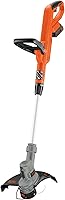
BLACK+DECKER 20V MAX LST522 Wheeled Edger Trimmer
8.5/10 our score
See it on Amazon -
2
 Best for trimming and cleanup
WORX WG930.2 3-in-1 Trimmer and Blower Kit
7.7/10 our score
See it on Amazon -
3
 Best for varied yard chores
Wild Badger 26cc 4-in-1 Gas Wheeled Edger Kit
6.8/10 our score
See it on Amazon
Which string trimmers with wheels fit different yard jobs?
BLACK+DECKER fits routine trimming and edging, WORX adds cleanup equipment, and Wild Badger suits a yard with several distinct cutting jobs. Choose by your weekly route around the property before comparing extra modes.
SundaySmarts puts the simpler cordless kit first because it closely matches regular home edging needs. The other picks make more sense when their extra tools replace equipment you'd otherwise need.
| Product | Best for | Power | Cutting width | Weight | Our score |
|---|---|---|---|---|---|
| BLACK+DECKER 20V MAX LST522 Wheeled Edger Trimmer | routine lawn edges | 20V MAX battery | 12 in | 5.7 lb | 8.5 |
| WORX WG930.2 3-in-1 Trimmer and Blower Kit | trimming and cleanup | 20V battery | 12 in | 7.7 | |
| Wild Badger 26cc 4-in-1 Gas Wheeled Edger Kit | varied yard chores | 26cc 2-cycle gas engine | 23.9 lb | 6.8 |
BLACK+DECKER 20V MAX LST522 Wheeled Edger Trimmer: Best for routine lawn edges
- Converts from trimming to wheeled edging
- Two speed settings
- Automatic line advancement
- 20V MAX battery, charger and spool included
Choose this cordless kit for regular grass trimming and guided edging along sidewalks or driveways. Adjustable height and handle settings help you find a comfortable working position.
Pros
- Quick conversion to wheeled edging
- Speed choice for power or runtime
- Automatic line feed without bumping
Cons
- Narrower cutting path than the gas option
- Includes one battery
The BLACK+DECKER LST522 suits a homeowner who trims around beds, then follows the sidewalk or driveway for a neat border. Its two speed settings let you use more power in thicker grass or favor runtime during lighter work.
The automatic feed system supplies line without bumping the head. That suits buyers who want fewer line-feed decisions, though correct spool loading still matters when it's time for a refill.
Adjustable height and handle settings help you set the tool to your stance instead of bending toward it. The kit includes a 2.5Ah battery, charger, spool and guard, so it covers the basic equipment needed to begin.
Choose it if regular lawn maintenance is the whole assignment and you don't need a blower or cutting attachments. Skip it for neglected ground with woody stems, or if you're seeking a walk-behind trimmer that supports the machine's weight throughout the job.
With one included battery, leave time to recharge between longer sessions rather than assuming you'll finish every yard on a single charge.
WORX WG930.2 3-in-1 Trimmer and Blower Kit: Best for trimming and cleanup
- Trimmer converts to wheeled edging and mini-mower
- Command Feed line control
- Blower included
- Two 20V batteries and dual charger included
A useful starting kit if your yard needs both grass trimming and blower cleanup. The trimmer adds wheeled edging and mini-mowing modes for small grass patches.
Pros
- Three trimmer modes
- Blower and two batteries included
- Button-controlled line feed
Cons
- Extra equipment if you already have a blower
- Both tools draw from the same battery supply
The WORX WG930.2 is the better fit for someone building a small yard-care setup from scratch. Trim and edge first, then use the included blower to move loose clippings off hard surfaces.
Its mini-mower mode adds a role for small grass patches where controlling a handheld cutting height would be awkward. Keep that use separate from mowing a full lawn, where repeated narrow passes would take more work.
Command Feed puts line release under your control with a button. The telescoping shaft gives you room to adjust your working position, and the kit includes two 2.0Ah batteries, a dual charger and three spare spools.
Choose this kit if you need both tools and will use the conversion modes. Skip it if your blower already handles cleanup and you only want a straightforward edging trimmer.
Plan battery use across the whole job because running the blower also uses the available charge. For alternatives centered on trimming alone, read our best battery string trimmers roundup.
Wild Badger 26cc 4-in-1 Gas Wheeled Edger Kit: Best for varied yard chores
- 26cc 2-cycle gas engine
- Separate wheeled-edger attachment
- String trimmer, hedge trimmer and brush-cutter attachments
- Shoulder harness included
Choose this gas multi-tool when trimming, blade edging, hedge shaping and brush cutting are recurring jobs. It requires mixed fuel and more upkeep than the cordless picks.
Pros
- Four yard-tool attachments
- Separate blade for wheeled edging
- Wild Badger provides a three-year limited warranty
Cons
- Requires a gasoline-and-oil fuel mix
- Attachment changes add setup steps
The Wild Badger kit suits a homeowner whose regular chores extend beyond grass edges. Its separate attachments cover string trimming, blade edging, hedge trimming and brush cutting, using one gas powerhead.
The wheeled edger has a 9 in blade, so its cutting method differs from the line-based edging modes above. That makes it the relevant pick here when you want a separate blade for defined borders.
Choose it when the hedge and brush attachments will earn their storage space. Skip it for a small, routinely maintained lawn if you want to avoid mixed fuel, engine care and changing attachments.
Use the included shoulder harness according to the manual and adjust it before cutting. A harness helps distribute the load, but it doesn't turn the tool into a machine you simply push along.
Confirm that the exact bundle includes all four named attachments before ordering, since Wild Badger's general description refers to a different attachment combination. For simpler choices, compare our best string trimmers for home use.
What kind of wheel support do you actually need?
An edging wheel guides a border cut; it doesn't replace full-time weight support. Decide whether you want straighter lawn edges, help cutting a small patch, or a machine that carries its own weight.
Those needs lead to different tools. Buying an edging trimmer for the last job is a common mismatch.
How does each string trimmer with wheels handle edging?
The cordless models rotate or convert the head for guided edging, while Wild Badger changes to a separate attachment. In each case, you still hold the handles, steer the cutting path and manage the tool's balance.
A guide wheel gives you a reference point along pavement. It can't correct a poor stance, an uneven surface or a cutting head forced too far into the soil.
Is a wheeled edger a walk-behind trimmer?
No, these designs serve different jobs. A walk-behind string trimmer has a larger wheeled frame that carries the machine while you push it through grass.
If supporting a handheld tool is your main concern, don't assume a small edging wheel solves it. Look at how much of your work happens in normal trimming mode, where you'll still carry and position the tool.
When does mini-mowing help?
Mini-mowing helps on a small patch where a supported cutting position is useful and a full-size mower is awkward to use. It makes the most sense for isolated strips or little lawn sections.
Keep expectations tied to the patch size and terrain. A compact conversion mode doesn't make narrow cutting passes efficient across a broad lawn, and rough ground still demands careful control.
How should you match the trimmer to your yard?
Choose around your borders, obstacles and growth, then consider cutting width and power. Yard size alone misses the difference between a simple open lawn and a small property with many beds, trees and fence posts.
Walk the route you'll actually trim. Count the places that need careful work and note where a wheel has a firm, clear surface to follow.
Maintained grass edges or buried borders?
For a visible edge that only needs regular touch-ups, a line-based wheeled edger is a practical choice. Short, frequent cuts are easier to control than removing a season's growth at once.
A border buried under turf is a different job. Restore the boundary with a suitable edging tool, then maintain it regularly instead of forcing trimming line deep into compacted soil.
Wild Badger's separate blade attachment makes it the relevant option in this group for that cutting method. Blade use still requires the correct setup, clear ground and the operating depth allowed by its manual.
Open ground or tight obstacles?
A wider cutting path helps cover open grass in fewer passes, while a narrow path leaves less area to manage near obstacles. The cordless picks cut 12 in across; Wild Badger's trimmer cuts 17 in.
Neither width excuses cutting close to tree bark, irrigation parts or fencing. Around delicate objects, leave a small margin and finish with a more precise tool if needed.
Carrying weight or total kit weight?
Compare the weight of the tool you'll hold, rather than treating every package figure as a working weight. BLACK+DECKER weighs 5.7 lb, while WORX's 11.4 lb figure covers the combo kit.
Wild Badger has a 23.9 lb weight figure, but attachment choice changes what you're handling. Fit, balance and time spent carrying the tool matter alongside any single weight number.
Is battery or gas power the better choice?
Battery power suits routine home trimming; gas makes sense when the extra cutting jobs justify engine upkeep. Don't choose gas solely because it sounds stronger, or assume battery voltage predicts how long your yard will take.
The practical choice includes storage, charging, fuel handling and how often you'll use each tool. Our electric vs gas weed eater comparison covers that decision in more detail.
Plan charging around the full job
Battery runtime depends on grass density, cutting load, speed choice and how much edging you do. Battery capacity isn't a promise that a particular yard will be finished on one charge.
Start with charged batteries and a route that tackles your priority areas first. With the WORX kit, include blower cleanup in that plan rather than using all available charge on trimming.
If you already own cordless tools, check exact battery compatibility before counting them as spares. A matching voltage number alone doesn't mean two brands or battery families work together.
Include fuel care in the gas decision
The Wild Badger engine needs a gasoline-and-oil mix, so fuel preparation is part of owning it. Follow the manual's exact ratio and oil requirements rather than guessing or borrowing instructions from another engine.
Use a suitable fuel container and refuel outdoors with the engine stopped and cooled. Run a gas tool outdoors only, and plan safe fuel storage before bringing one home.
Gas avoids waiting for a battery recharge, but it adds starting procedures, engine service and fuel management. Those tradeoffs make more sense when several attachments have recurring work to do.
How do you set up a wheeled trimmer before the first cut?
Set the handle, guard and cutting mode before installing the battery or starting the engine. A correct fit lets you work upright while keeping the cutting head in the position the manual requires.
Read the assembly and conversion steps for your exact model. A wheel fitted for one mode shouldn't be assumed ready for another.
Adjust the tool to your stance
Stand in your normal working posture and set the shaft and handle where the available adjustments allow. Your elbows should stay comfortably bent without forcing you to reach far ahead.
Recheck that position after switching to edging mode. If you have to lean sideways to keep the wheel on track, adjust your stance and grip before cutting.
For the gas kit, fit the harness with the engine off. Make sure you can reach the controls and release the harness as directed.
Check the cutting end and wheel
Confirm that the guard is secure, the spool or blade is correctly fitted, and all conversion locks are engaged. Turn or move the wheel by hand only with the power isolated, checking for trapped grass or obvious damage.
Fit only the line, blade and accessories approved for that tool. Improvised wire or an oversized cutting attachment can create a hazard and overload the machine.
Clear the work area
Remove stones, loose wire, toys and other objects that could be thrown or caught. Check low edges for sprinkler heads, cables and landscape lighting before the cutting head reaches them.
Wear the protective equipment required by the manual, including eye protection, sturdy footwear and long pants. Keep people and pets outside its stated safety distance throughout the job.
How do you get a clean edge without digging a trench?
Use a visible boundary, a steady wheel path and shallow passes. Forcing the head into soil wears line, throws debris and makes it harder to hold a consistent edge.
Begin on a clear section of pavement so you can establish the tool's position. Our guide on how to edge with a string trimmer explains the technique in more detail.
Follow the wheel instead of pushing the head
Keep the wheel on the surface intended by the manual and guide the tool at a controlled walking pace. Watch the boundary just ahead of the cutting point rather than staring only at the wheel.
If the wheel drops into a gap or rolls over debris, stop and reposition. Don't pull the cutting head sideways to compensate while it remains under load.
Remove overgrowth in stages
Take a light first pass where grass has spread across the edge. Make another controlled pass if needed instead of trying to remove the full strip at once.
Slow down where growth thickens, and let the cutting end clear before continuing. If the tool keeps bogging down, reduce the amount you're asking it to cut or use a more suitable tool.
Protect bark, beds and loose surfaces
Trimmer line can damage young tree bark and mark objects even when a spacer guard is present. Keep the cutting path clear of plants you want to preserve.
Be especially cautious beside gravel, where the cutting end can throw loose stones. A wheel needs a stable track, so don't force pavement-edging technique onto a soft bed border or crumbling edge.
What care keeps the line feed and wheel working?
Clear away wrapped grass, inspect the cutting parts and use the correct replacement line. Small checks after each session can prevent a clogged wheel or poorly wound spool from disrupting the next one.
Remove the battery before maintenance, or shut down and isolate the gas tool as its manual directs. Wait for moving parts to stop and hot parts to cool.
Keep the spool correctly loaded
Use the specified line diameter and wind it in the marked direction without overfilling the spool. Crossed or tightly trapped line can prevent a feed system from working as intended.
Automatic feed and button feed control line release differently, but both need a correctly assembled spool. Don't repeatedly bump an automatic-feed head unless its instructions call for that action.
If the cutting reach suddenly shrinks, stop and inspect the line rather than pressing harder into the grass. Our guide on how to load line in a string trimmer covers common spool-loading mistakes.
Clean the wheel and guard
Brush away grass and soil after use, paying attention to the wheel axle and the space around the guard. Packed debris can stop the wheel from rolling freely and change how the tool follows an edge.
Inspect for cracks, loose fasteners and worn cutting parts before storage. Follow the manual's cleaning method instead of soaking electrical parts or forcing water into openings.
Store it ready for the next session
Keep the tool dry and secured where the shaft and cutting head won't be knocked over. Store batteries and chargers within their stated temperature limits, away from damp conditions.
For the gas tool, follow its storage and maintenance schedule, including fuel instructions. Keep attachments organized with their guards so changing jobs doesn't start with a search for missing parts.
Which buying mistakes should you avoid?
Avoid paying for unused modes or expecting the wheel to solve every handling problem. The right purchase matches the work you repeat, with setup and care you're willing to do.
These mistakes matter more than small differences between feature lists.
- Buying for an occasional chore. A brush or hedge attachment adds value when you use it regularly; otherwise, it adds storage and maintenance.
- Expecting line to behave like a blade. Trimming line handles grass, while a blade edger uses a different cutting method for a defined border.
- Choosing only by battery voltage. Fit, feed control, included batteries and the shape of your yard all affect how practical the tool will be.
- Treating the wheel as weight relief in every mode. Consider how much time you'll spend carrying the tool during ordinary trimming.
- Waiting until the edge disappears. Regular touch-ups keep the boundary visible and reduce the amount of growth you remove per pass.
- Using all the charge before cleanup. A shared battery kit needs enough available energy for both cutting and blowing.
If most of your work involves thick stems or woody growth, settle that cutting-tool question first. Our string trimmer vs brush cutter guide explains where ordinary trimming line stops being the right choice.
Which string trimmer with wheels should you choose?
Choose the BLACK+DECKER LST522 if your normal route is grass around obstacles followed by sidewalk and driveway edges. It's the most direct fit here for a homeowner who wants those two jobs covered with one cordless kit.
Choose WORX WG930.2 if trimming and cleanup both need equipment, especially when you also have small patches suited to mini-mowing. Its extra tools are useful when they fill real gaps in your shed.
Choose Wild Badger if blade edging, hedge shaping and brush cutting are recurring jobs and you're prepared for gas-tool care. Those attachments should drive the decision, rather than the engine alone.
Before buying a string trimmer with wheels, decide whether you need guided edging or full-time support for the machine. If your search extends beyond these wheeled options, compare our best string trimmers for home use by the jobs your yard needs most.
Our top 3 picks at a glance
-
1
Best for routine lawn edges
BLACK+DECKER 20V MAX LST522 Wheeled Edger Trimmer
8.5/10 our score
See it on Amazon -
2
Best for trimming and cleanup
WORX WG930.2 3-in-1 Trimmer and Blower Kit
7.7/10 our score
See it on Amazon -
3
Best for varied yard chores
Wild Badger 26cc 4-in-1 Gas Wheeled Edger Kit
6.8/10 our score
See it on Amazon
Frequently asked questions
What does a wheeled string trimmer do?
A wheeled string trimmer uses a wheel to help guide the cutting head, usually when edging beside pavement. Some tools also support a small mowing mode, but a wheel doesn't mean the machine carries its full weight during ordinary trimming or works like a walk-behind mower.
Can a string trimmer with wheels edge a sidewalk?
Yes, a string trimmer with wheels can edge a sidewalk when it has a wheeled edging mode; BLACK+DECKER LST522 and WORX WG930.2 both offer that conversion, while Wild Badger uses a separate blade attachment. Our guide to string trimmers with wheels for edging explains the differences.
Are wheeled string trimmers cordless?
Some wheeled string trimmers are cordless, including the BLACK+DECKER and WORX picks here; others use gas, such as the Wild Badger multi-tool. Choose battery power for routine work without fuel mixing, and consider gas when your yard jobs justify engine care and the extra attachments.
How do I choose between a wheeled trimmer and an edger?
Choose a wheeled trimmer for grass trimming plus regular border touch-ups; choose a blade edger when cutting a defined soil edge is the main task, especially where turf has spread over pavement. Match the cutting method to the border instead of choosing by the presence of a wheel.