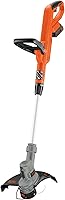
DeWalt String Trimmer Tool Only or Kit?
Buy a DeWalt string trimmer tool only if you already have a compatible battery and charger that can support your yard work. Choose a kit if you need those parts, after comparing battery capacity and the complete setup cost.
On this page (9 sections)
- When does a DeWalt string trimmer tool only make sense?
- What does “tool only” include?
- Which tool-only trimmer fits your battery platform and yard?
- Should you buy a kit or build a bare-tool setup?
- Which cutting and handling features matter most?
- How should you set up a new bare-tool trimmer?
- How can you trim efficiently and reduce line waste?
- What care keeps a tool-only trimmer ready to use?
- Which DeWalt tool-only or kit option should you choose?
A DeWalt string trimmer tool only makes sense if you already have a compatible battery and charger available for yard work. If you need both, compare the complete setup with a kit before buying.
“Tool only” and “bare tool” mean the battery and charger are sold separately. The DeWalt DCST922B still includes the trimmer, guard and handle.
Start with your battery, then choose the features that solve a real problem: tight storage, frequent line changes, awkward reach or long stretches of grass. Our cordless string trimmer buying guide explains the wider choices beyond these bare tools.
When does a DeWalt string trimmer tool only make sense?
Buy the bare DeWalt when your existing battery setup can cover the trimming job without disrupting your other tools. Compatibility is the first check, but battery condition and availability matter just as much.
A battery that handles occasional drilling may spend most of its time waiting between short bursts of work. Trimming asks it to run for longer stretches, so don't assume your current charging routine will suit both jobs.
Think through a normal yard-work session. If you mow, trim and blow clippings in one outing, sharing a single battery can leave you waiting even though it fits every tool.
A second compatible battery may solve that problem, but include it in your comparison. Buying a bare tool plus another battery isn't automatically the better deal than buying a suitable kit.
The DCST922B belongs to DeWalt's 20V MAX system. DeWalt offers FLEXVOLT and POWERSTACK options for that system; choose a compatible pack based on your need for longer operation, manageable weight and use across other tools.
A bare tool is especially sensible when you're replacing a trimmer but keeping a healthy battery and charger. First-time cordless buyers should compare kits because they still need a complete power setup.
What does “tool only” include?
For these options, tool only excludes the battery and charger, while the other supplied parts vary. Check the exact bundle so you're comparing complete setups.
| Trimmer | Battery platform | Supplied parts |
|---|---|---|
| DeWalt DCST922B | DeWalt 20V MAX | Trimmer, guard and handle |
| Milwaukee M18 Brushless | Milwaukee M18, 18V | Confirm the supplied accessories before buying |
| EGO POWERLOAD | EGO 56V ARC Lithium | Trimmer, cutting line and hex wrench |
| Greenworks BST4000 | Greenworks G-MAX 40V | Trimmer, guard, auxiliary handle and owner's manual |
A kit should identify the included battery and charger, not just show a battery in a photo. Compare battery capacity and quantity, since two bundles with the same trimmer can support different work routines.
Also plan for replacement line, even if the trimmer arrives with some installed. Having the correct spare line prevents a small maintenance task from stopping the whole job.
Don't assume a bare tool is ready to run straight from the box. The guard and handle may need fitting, and every fastener and adjustment should be checked before inserting the battery.
Which tool-only trimmer fits your battery platform and yard?
Choose DeWalt for folding storage, Milwaukee for wider passes, EGO for easier line winding and shaft adjustment, or Greenworks for narrow trimming areas. An existing compatible battery setup can make any of those features easier to justify.
These are alternatives across separate battery systems. The Milwaukee, EGO and Greenworks options aren't substitutes that run on your DeWalt batteries.
DeWalt string trimmer tool only: for shared batteries and tight storage
The DCST922B suits a DeWalt user who trims grass around a maintained lawn and needs the tool to take up less storage space. Its folding hinge reduces the length by 40%, useful in a crowded shed or vehicle.
The 14 in cutting swath offers a middle ground between narrow detail work and broader passes. A variable-speed trigger and Hi/Lo switch let you adjust output rather than using full speed around every obstacle.
Its QuickLoad Spool winds replacement 0.080 in line, while bump feed advances line during use. Those are separate tasks: easier winding doesn't remove the need to manage line length as you trim.
Choose it for the combination of battery reuse and folding storage. Skip it if you need shaft-length adjustment, want button-powered line winding or have no reason to join the DeWalt system.
For work dominated by tall, tangled growth, first decide whether a string trimmer is the right tool. A folding design helps storage, but it doesn't make line suitable for every kind of vegetation.
Milwaukee M18 Brushless Trimmer: for longer open runs
The Milwaukee 2828-20 suits M18 users trimming long fence lines or other open stretches where a 16 in cutting swath can reduce the number of passes. Its brushless motor runs at up to 6,200 rpm.
It accepts 0.080 in or 0.095 in line and uses bump line advance. That gives you a choice of supported line sizes without buying another head solely to change between those diameters.
Choose this model when you already have M18 batteries and your yard gives you room to use the wider cut. It makes less sense as a platform switch simply to gain cutting width.
Skip it if most of your trimming happens between closely spaced plants or along narrow gaps. A wider cutting circle calls for more care near stems, posts and objects you don't want to strike.
Don't rank it above another trimmer by maximum rpm alone. Feed rate, line condition and how much grass enters the head also affect the cut.
EGO Power+ POWERLOAD: for easier reloading and adjustable reach
The EGO ST1510T suits buyers who dislike winding line by hand or need to adjust shaft length for a comfortable stance. POWERLOAD winds line at the push of a button after you feed it through the head.
Its telescopic aluminum shaft lets you change the tool's length, which is useful when more than one person handles yard work. Adjust reach so you can keep the cutting head near the ground without hunching.
This model has a 15 in swath, dual-line 0.095 in spiral-twist line and bump-feed advance. POWERLOAD helps with reloading; it doesn't replace bump feeding while trimming.
EGO states up to 45 minutes of runtime with a recommended 2.5Ah battery, sold separately. Use that as a planning reference, since grass density, speed and cutting technique affect how long a charge lasts.
Choose it if those convenience features solve your main complaints. Skip it if keeping your existing DeWalt setup matters more than line winding or adjustable reach.
Greenworks BST4000: for small areas with frequent obstacles
The Greenworks BST4000 suits compatible G-MAX users maintaining small grass borders, narrow strips and areas around shrubs. Its 12 in cutting path gives you less cutting width to manage near obstacles.
It uses 0.065 in line and an auto-feed head, with a variable-speed trigger for adjusting cutting speed. Choose it if you prefer automatic line advance over a bump-feed routine.
Compatibility is specific: this model works with Greenworks G-MAX 40V batteries 29472 and 29462 and charger 29482. Don't assume a different Greenworks battery fits merely because the brand name matches.
Choose it for regular grass maintenance in confined areas. Skip it if your main task is clearing broad sections of overgrowth or if you already have a useful battery setup in another system.
The narrower path means more passes across an open area. That tradeoff is easier to accept when most of your work involves steering around plants rather than covering ground.
Should you buy a kit or build a bare-tool setup?
Choose a kit when you need the power equipment it includes; choose a bare tool when you already have a suitable setup. Compare the parts you'll actually use, including any spare battery needed to finish your routine.
Use this checklist before deciding:
- Read the model and platform on your existing battery.
- Confirm that the exact trimmer accepts it.
- Check that you have the correct working charger.
- Consider whether the battery is already needed by another yard tool.
- Compare the battery capacity and quantity in the kit.
- Add any missing battery, charger or replacement line to the bare-tool total.
Battery capacity and voltage answer different questions. Capacity helps you compare stored energy within a compatible system, while voltage alone doesn't establish runtime or cutting ability across brands.
A larger compatible battery generally adds both stored energy and weight. The right choice should let you finish useful sections of the yard without making the tool tiring to hold.
If your existing pack no longer completes jobs it once handled, don't base the decision on it performing like new. Consider the cost of replacing it before choosing the bare tool.
For help choosing within DeWalt, read which battery voltage a string trimmer needs. Our best battery string trimmers guide helps if you're still open to another platform.
Which cutting and handling features matter most?
Match cutting width to your access, line to the head and handling to your stance. A familiar battery platform is helpful only when the tool also fits your yard.
Cutting width should match the spaces you trim
A wider swath clears more width per pass in open grass. Near flowers, young trees and closely spaced posts, a narrower cutting circle can be easier to keep clear of surfaces.
Map the areas a mower leaves behind before choosing. Long borders favor coverage, while small islands and tight corners make control more useful than maximum width.
Line winding and line feeding solve different problems
A winding system helps you replace used line; a feed system releases more line while you work. Choose based on which task causes you trouble.
Bump-feed heads require the operating method described in the manual. Auto-feed heads follow a different routine, so repeated bumping or unnecessary trigger cycling can waste line or interrupt work.
Use the specified diameter and loading length. Overfilling a spool can cause jams, while fitting thicker line without approval can create feeding and load problems.
Our guide to loading line in a string trimmer explains the basic process and the checks that prevent tangles.
Balance matters with the battery attached
Judge handling in the configuration you'll use, including the battery. Bare-tool weight leaves out part of the load your arms will carry.
Position the auxiliary handle so both arms stay relaxed and the head sits at the intended cutting height. If you must lift a shoulder or bend constantly, adjust the setup before starting a long session.
A telescopic shaft adjusts working length, while a folding shaft reduces storage length. Choose the feature that solves your problem rather than treating them as interchangeable.
How should you set up a new bare-tool trimmer?
Assemble and adjust the trimmer with the battery removed, then inspect the work area before starting. The first setup should cover safe handling as well as battery fit.
- Read the model's assembly and operating instructions.
- Fit the guard and auxiliary handle, then secure the fasteners.
- Lock any shaft joint in its operating position.
- Check that the head is secure and the correct line is loaded.
- Adjust your grip and stance with the tool switched off.
- Clear stones, wire, toys and other loose objects from the area.
- Insert the compatible battery only when you're ready to work.
Wear eye protection, sturdy footwear and clothing that covers your legs. Keep other people and pets clear of the cutting area because line can throw loose debris.
Start on a small patch of ordinary grass to get used to the controls and line advance. Use only enough speed to cut cleanly, increasing it when denser growth requires more output.
If the head stops, vibrates unusually or becomes tangled, release the trigger and remove the battery before inspecting it. Never reach toward the head while the battery remains attached.
How can you trim efficiently and reduce line waste?
Use the line tips and steady passes, rather than forcing the whole head into grass. Letting the tool cut at a controlled pace reduces repeated passes and unnecessary contact with hard surfaces.
For tall grass, work down in stages instead of burying the head at ground level. Smaller bites help prevent long stems from wrapping around the shaft and head.
Keep the cutting plane consistent to avoid scalping patches below the surrounding lawn. Around tree trunks and tender plants, leave enough clearance to prevent line from damaging bark or stems.
Ease away from brick, concrete and wire rather than pressing the head against them. Hard edges wear line quickly, and wire can catch it.
A string trimmer can tidy a lawn edge, but holding it at an awkward angle for long stretches can strain your grip. Our guide to using a string trimmer the right way covers stance and cutting technique.
Woody stems and persistent brush need a different decision. Read whether a string trimmer can cut thick weeds and brush before trying to solve that job with thicker line.
What care keeps a tool-only trimmer ready to use?
Remove the battery, clear wrapped grass and inspect the head after use. Routine care should keep debris from building up around moving parts and make wear easier to spot.
Let the tool stop fully before handling it, then follow the manual's cleaning instructions. Don't direct water into electrical parts or assume weather resistance permits washing with a hose.
Check the guard for damage and the handle for movement. Replace worn line with the approved size, and investigate recurring feed trouble instead of repeatedly adding more line.
Charge and store batteries according to their instructions, away from excessive heat and moisture. Allow a hot pack to cool as directed before charging it.
For the folding DeWalt, clean debris around the joint before folding it for storage. Check that the joint locks securely again before the next use.
Which DeWalt tool-only or kit option should you choose?
Choose a DeWalt string trimmer tool only when you can reuse a healthy, compatible battery and charger and the folding design suits your space. Choose a kit when its included power equipment fills a real gap in your setup.
Stay with Milwaukee if you already use M18 and want wider passes across open borders. Pick EGO when adjustable reach and button-powered line winding matter most, or Greenworks when narrow grass areas suit your compatible G-MAX setup.
Before ordering, identify the battery you'll use, where you'll store the trimmer and the hardest part of your normal trimming route. If you're still deciding whether DeWalt fits that work, read our DeWalt string trimmer battery voltage guide.
For alternatives within other battery systems, compare our battery string trimmer guide.
Frequently asked questions
Is a DeWalt string trimmer tool only worth buying?
Yes, if you already have a compatible battery and charger with enough availability for your trimming routine. A bare tool avoids buying duplicate equipment, but a kit deserves a closer look if your current battery is worn, shared between several tools or too limited for the work.
Does the DeWalt DCST922B include a battery?
No, the DeWalt DCST922B bare tool includes the trimmer, guard and handle, without a battery or charger; you'll need a compatible 20V MAX battery and charger before using it. Fit the supplied guard and handle according to the manual, with the battery removed during assembly.
Can I use one brand's trimmer battery with another brand?
Don't assume batteries work across brands, even when their voltage labels look similar; match the exact battery platform to the trimmer and use the approved charger for that battery. Avoid choosing an adapter as a shortcut, since fit alone doesn't establish that the electrical controls are compatible.
What should I compare besides the battery?
Compare cutting width, line size, feed method, shaft adjustment and storage needs against your yard; check handling with the intended battery attached, since the battery changes total weight and balance. Also distinguish line winding from line advance: a convenient loading system doesn't necessarily feed line automatically while you trim.