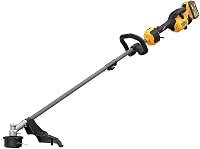
WORX WG163 20V Cordless String Trimmer Review: Worth It? (October 2026)
The WORX WG163 suits small lawns with regular trimming and edging. Choose it for supported edging and a spare battery; choose an alternative if automatic line feed matters more.
On this page (10 sections)
- Is the WORX WG163 right for your yard?
- How well does the WG163 work as an edger?
- What do the tilting head and spacer guard help with?
- How does Command Feed change everyday use?
- What should you expect from the battery kit?
- Which alternatives should you consider?
- How should you set up the WG163 before its first use?
- Which mistakes waste line and battery charge?
- What care does the WG163 need after trimming?
- Should you buy the WORX WG163 or an alternative?
The WORX WG163 suits small lawns that need regular trimming and edging, especially along sidewalks, driveways and garden beds. Choose it for controlled border work and a spare battery rather than clearing large, neglected patches.
Its main appeal is convenience: you can trim grass the mower misses, then switch to supported edging with the same tool. Automatic line feed and speed control are the main reasons to consider the alternatives below.
Is the WORX WG163 right for your yard?
The WG163 is a good fit when most of your work follows lawn boundaries. Think short strips beside a fence, grass around a bed and the edge of a paved walkway.
WORX WG163 20V 2-in-1 Trimmer and Edger: Best for small lawn borders

- 12 in cutting diameter
- Push-button Command Feed
- Two 20V batteries and charger
- Tilting head and rubberized guide wheels
A practical choice for maintaining grass around beds and pavement with one tool. Guide wheels support edging, while the tilting head helps you reach awkward patches.
Pros
- Converts between trimming and edging
- Spare battery included
- Head tilts for slopes and awkward spots
- Adjustable spacer guard helps judge clearance
Cons
- Narrow cutting path for broad areas
- Line advancement needs a button press
The tool has a 12 in cutting diameter and a 5.5 lb machine weight. That combination makes it worth considering when easy handling matters more than covering a wide strip with each sweep.
Judge your yard by the amount of trimming it needs, not just its total size. A larger lawn with a few simple borders can need less trimmer work than a small yard filled with beds, trees and obstacles.
Who should choose the WORX WG163?
Choose it if you maintain grass often enough that each session is mostly a tidy-up. Its conversion to edging also suits homeowners who want to finish pavement borders immediately after mowing.
Skip it if your main task is reclaiming an overgrown lot or cutting woody stems. Our guide to trimming thick weeds and brush explains when the growth calls for different equipment.
A narrow gate, awkward slope or crowded bed can make reach and positioning more useful than extra cutting width. However, no head adjustment makes unstable footing a safe place to work.
How well does the WG163 work as an edger?
The WG163 suits maintaining an existing grass edge along pavement. It converts between trimming and edging, and rubberized wheels support the tool as you follow the boundary.
Let the wheels guide your pace while your hands control alignment. Trying to move too quickly can pull the cutting line away from the edge or drive it into concrete.
Start with a short, visible section rather than a corner hidden under overgrown grass. Once the line is easy to follow, continue in steady sections and stop before changing direction.
String edging removes grass along a boundary, but it isn't the same job as cutting a new soil trench with a blade. If pavement is buried under thick turf, clear it gradually or consider a dedicated edger.
Our guide on how to edge with a string trimmer covers positioning and passes. For choosing between the two tool types, see string trimmers versus edgers.
What do the tilting head and spacer guard help with?
The 90-degree tilting head helps you change the cutting angle around slopes and hard-to-reach patches. The adjustable spacer guard gives you a reference for keeping the cutting line away from nearby features.
Set the head angle with the battery removed, following the manual. Choose a position that lets you stand upright and keep the head clear of the ground without twisting your wrists.
The spacer guard is useful beside a bed or ornament, but leave extra clearance around soft stems and tree bark. Cutting line can damage plants even when you only intend to remove the grass beneath them.
For tight spaces, approach from a direction that gives you a clear view of the cutting area. Leave the last few blades for hand trimming if reaching them would put a plant or surface at risk.
How does Command Feed change everyday use?
Command Feed gives you line at the press of a button, rather than advancing it automatically or requiring a bump against the ground. It suits buyers who want to choose when more line is released.
As line wears down, the cutting circle shrinks and each pass covers less grass. Use the feed control according to the manual instead of compensating by pushing the head deeper into the growth.
The WG163 uses 0.065 in line, so match both the line size and spool to the model. Thicker line isn't a shortcut to turning a light trimming tool into a brush cutter.
If feeding stops, remove the battery before opening the head. Check for crossed line, trapped debris and a spool that isn't seated correctly.
WORX offers free spools for life; check the program terms before relying on replacement costs. For spool preparation and winding basics, use our guide to loading line in a string trimmer.
What should you expect from the battery kit?
The kit includes two 20V Power Share batteries and a charger, giving you a spare from the start. Charge both before the first job so an empty second pack doesn't interrupt your work.
Two packs provide a swap option, not a promise of nonstop operation. Grass density, time spent edging and battery condition all affect how long a charge lasts.
A spare only keeps work moving if it's ready when needed. Plan charging around your routine rather than assuming the charger will refill one pack before you finish using the other.
WORX Power Share covers its 20V and 40V tool families, but check each tool's required battery arrangement. One compatible pack doesn't necessarily meet every tool's operating requirements.
If you're choosing a platform from scratch, consider the other tools you'll use regularly. Our cordless string trimmer buying guide explains how battery supply and yard workload fit into that decision.
Which alternatives should you consider?
Choose an alternative if automatic line advancement or speed control matters more to you than the WG163's features. All 4 models have the same cutting width, so buying another model here won't reduce passes through a broader swath.
| Model | Line feed | Battery kit | Main reason to choose |
|---|---|---|---|
| WORX WG163 | Push-button Command Feed | Two 20V batteries | Supported edging and a spare pack |
| BLACK+DECKER LST300 | Automatic | One 20V 2.0 Ah battery | Simple routine upkeep |
| Greenworks 40V | Automatic | One 40V 2.0 Ah battery | Variable-speed trigger |
| BLACK+DECKER LST522 | Automatic | One 20V 2.5 Ah battery | Two speeds and wheeled edging |
BLACK+DECKER LST300: for simple weekly upkeep
The LST300 is the clearest alternative if you prefer the tool to advance line automatically. Its adjustable handle and height let you set a working position without choosing a model mainly for speed controls.
It converts between trimming and edging, so it fits the same general pattern of mowing, trimming and finishing borders. The wall-mountable charging base also gives you an option for organizing a small storage area.
Choose it for short, regular maintenance sessions where automatic feed is a priority. Skip it if you specifically want a spare battery included, since this kit comes with one pack.
Our BLACK+DECKER 20V string trimmer review provides more context for that choice.
Greenworks 40V: for changing grass conditions
The Greenworks model suits buyers who want to vary speed with the trigger. That control is useful when a route alternates between thin grass near beds and fuller patches along a fence.
Its dual-line head and automatic feed are other differences from the WORX. Use only as much speed as the patch needs, and slow your forward movement if grass starts wrapping or the head struggles.
Its 12 lb weight is the main reason to pause before choosing it over these lighter alternatives. Skip it if reducing carrying effort is your first priority, and don't treat the higher voltage as a direct measure of cutting performance.
BLACK+DECKER LST522: for mixed trimming and edging
The LST522 suits buyers who want two speed choices plus wheeled edging. You can select higher power for tougher patches or reduce speed when the task allows you to conserve charge.
Automatic line advancement removes the need for a separate feed command. Adjustable height and handle settings also help you find a stance that keeps the tool close without hunching.
Choose it when your usual route includes both light finishing work and thicker grass. Skip it if you want gradual trigger control like the Greenworks, or if having two batteries in the box is essential.
How should you set up the WG163 before its first use?
Fit the guards and supports before installing the battery, then set the tool for a comfortable stance. Follow the manual's assembly order and check that each adjustable part locks securely.
Use this order to prepare for the first session:
- Charge the batteries with the supplied charger as directed.
- With the battery removed, assemble the guard, spool and edging supports according to the manual.
- Set the head angle and spacer guard for the area you'll trim.
- Check that the spool cap is secure and the line exits correctly.
- Clear stones, loose wire, toys and other debris from the work area.
- Put on the protective equipment specified in the manual before starting.
Keep people and pets outside the manual's required safety distance. The guard helps manage debris, but you still need a clear work area.
Start on an open patch of ordinary grass before moving beside flowers or pavement. Our string trimmer use guide explains how to hold the tool and make controlled passes.
Which mistakes waste line and battery charge?
Forcing the head through too much grass at once wastes effort and makes control harder. Let the line ends cut, and move into the growth in shallow passes.
For tall grass, shorten it in stages rather than plunging the head into the base. This reduces the amount of material entering the head at once and helps limit wrapping.
Avoid dragging the cutting line along brick, concrete or a wire fence. Hard surfaces wear line quickly, so keep the head close enough to cut grass without grinding against the boundary.
Don't use extra line feed as a substitute for checking a poor cut. Stop and inspect the head if line is tangled, grass is wrapped around it or the spool isn't feeding correctly.
Keep the head at a steady height to avoid scalping. Swinging down into the lawn exposes soil and leaves an uneven finish that extra passes won't repair.
What care does the WG163 need after trimming?
Remove the battery and clear grass from the tool after each session. Pay attention to buildup around the head, guard and air openings, using the cleaning method allowed by the manual.
Check the spool cap, guard and wheels for damage or loose parts before putting the tool away. Replace damaged components with compatible parts rather than working around a loose guard or cracked cap.
Keep charging equipment in a dry place and follow the battery storage instructions, especially during long breaks between mowing seasons. Allow a hot battery to cool as directed before charging.
Store replacement line and spools where they won't collect dirt or become damaged. Having the correct spare ready is more useful than interrupting a job to find an uncertain substitute.
Should you buy the WORX WG163 or an alternative?
Buy the WORX WG163 for regular border maintenance when supported edging, an adjustable cutting angle and a spare battery match your routine. Its best role is finishing a maintained lawn after mowing.
Choose the LST300 for simpler upkeep with automatic feed, the Greenworks for variable-speed control, or the LST522 for two speed settings and wheeled edging.
If your main problem is a wide area of long grass, broaden the comparison before buying any of these narrow-path models. Our guide to the best battery string trimmers is the next useful step.
Frequently asked questions
Is the WORX WG163 good for edging?
The WORX WG163 suits regular edging along an existing lawn boundary because its rubberized wheels support and guide the tool; work slowly along pavement and keep the line out of joints. For cutting a new trench through soil or reclaiming a heavily buried edge, consider a dedicated edger.
What comes with the WORX WG163?
The kit includes the trimmer and edger, two 20V Power Share batteries, a charger, a trimmer spool, support wheels and a safety guard; you can keep the second battery ready while using the first. Charge each battery according to the manual before planning your first yard session.
How wide does the WORX WG163 cut?
The WORX WG163 cuts a 12 in path and uses 0.065 in line; that size suits finishing work around lawn edges, fences and garden beds. For broad areas beyond a mower's reach, expect overlapping passes and compare wider trimmers before choosing this model for the whole job.
Does the WORX WG163 need bumping to feed line?
No, the WG163 uses push-button Command Feed to advance line instead of a bump-feed head; use the control as directed in the manual when the cutting line becomes short. If line stops advancing, remove the battery before checking the spool for tangles, debris or an incorrect installation.