BLACK+DECKER 20V String Trimmer Review: Worth It? (October 2026)
The Black and Decker string trimmer 20V LST300 suits routine grass trimming and lawn edging. Choose it for automatic line feed and a simple kit, or pick an alternative below if you need speed control, a spare battery or a tilting head.
On this page (10 sections)
- The BLACK+DECKER 20V string trimmer at a glance
- Who should choose the LST300, and who should skip it?
- How should you trim and edge with the LST300?
- Which alternative fits your yard better?
- How do you set up the trimmer before its first job?
- How can you manage battery use and line wear?
- What mistakes cause rough edges or poor cutting?
- Is the LST300 suitable for thick weeds or brush?
- How does it fit among other cordless and gas trimmers?
- Which Black and Decker string trimmer 20V kit should you buy?
The Black and Decker string trimmer 20V LST300 is a good fit for routine grass trimming and lawn edging. Choose it when you want automatic line feed and a battery-and-charger kit for keeping an already maintained yard tidy.
Its main buying question is how you work: short touch-ups favor a simple kit, while longer sessions may justify a spare battery. Uneven ground and patches of thicker growth can also make the alternatives below a better fit.
The BLACK+DECKER 20V string trimmer at a glance
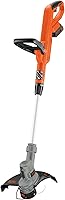
The LST300 combines grass trimming and wheeled edging in one cordless tool. Its adjustable handle and height let you bring the grip and cutting head into a comfortable working position.
BLACK+DECKER 20V MAX 2-in-1 Trimmer and Edger: Best for routine lawn edges

- 12 in cutting swath
- Automatic line feed
- 2.0Ah battery and charger included
- Converts to wheeled edger
A straightforward kit for keeping grass tidy around obstacles and maintaining lawn borders, with automatic feed that needs no bumping.
Pros
- Automatic spool feed needs no bumping
- Converts from trimmer to wheeled edger
- Adjustable handle and height positions
- Battery and charger included
Cons
- Only one battery included
- Choose the LST522 or LSTE525 for two-speed control
The 12-inch cutting swath suits detail work around beds, posts and lawn borders. It isn't the feature to choose for clearing a broad area quickly, where a wider cutting path may reduce the number of passes.
BLACK+DECKER says its POWERDRIVE transmission increases torque at the string. For buying purposes, the more useful distinction is the control setup: the LST300 handles line advancement automatically, while two alternatives below let you request line with a button.
At 5.7 lb, tool weight is also worth considering if you have many obstacles to trim around. A comfortable stance matters as much as a small weight difference, especially when you're reaching under shrubs or following a long fence.
Who should choose the LST300, and who should skip it?
Choose the LST300 for regular upkeep of grass around obstacles and paved edges. It makes the most sense when mowing handles the open lawn and the trimmer finishes the places the mower cannot reach.
A small lawn with a short sidewalk and a few planting beds is a clear match. A larger lawn can still suit it if the actual trimming route is short.
Count borders and obstacles before judging by yard size. A compact property with fences, trees, beds and a long driveway can demand more trimmer time than a wide, open lawn.
The included 2.0Ah battery covers the basic setup, but it doesn't establish a fixed number of working minutes. Growth thickness, how often you stop and how you feed the head into grass all affect battery use.
Existing BLACK+DECKER 20V MAX Powerconnect users have another reason to consider it: battery sharing within that system. Confirm compatibility with your exact packs and tools before counting on an existing battery as your spare.
Skip the LST300 if selectable speeds are a priority, or if you want two batteries included from the start. For broad clearing or woody growth, choose equipment around the cutting task rather than the convenience of this kit.
Our guide to battery string trimmers helps match tool size and battery arrangements to your trimming route.
How should you trim and edge with the LST300?
Use the LST300 for controlled passes with the line tips, then switch modes to maintain the border beside pavement. Pushing the whole head into a clump adds load and makes it harder to keep an even finish.
For normal trimming, keep the head at a steady height and use short, overlapping sweeps. Avoid cutting grass down to bare soil, since uneven head movement can leave scalped patches.
Approach tall grass in stages instead of trying to remove its full height in one pass. If growth wraps around the head or shaft, stop and remove the battery before clearing it.
Automatic feed removes the need to bump the head for fresh line. If the cutting reach becomes short, inspect the spool and feed path according to the manual rather than repeatedly striking the tool against the ground.
For edging, let the wheel support and guide the tool along the border. Move slowly enough to follow the edge without digging into the lawn or grinding line against concrete.
Maintain an existing edge before trying to reshape it. A heavily buried border may need separate preparation before a string trimmer can keep it neat.
Keep the guard attached and direct debris away from people, windows and vehicles. Our guide to using a string trimmer covers handling, while the tool's manual gives its specific operating instructions.
Which alternative fits your yard better?
Choose an alternative when you need different feed controls, speed choices or better access to awkward ground. All four tools here cut a 12-inch path, so cutting width doesn't separate them.
| Model | Main reason to choose it | Main reason to skip it |
|---|---|---|
| BLACK+DECKER LST300 | Automatic feed for routine upkeep | You want selectable speeds or a second included pack |
| WORX WG163 | Tilting head and a spare battery | You want to stay with compatible BLACK+DECKER tools |
| BLACK+DECKER LST522 | Automatic feed with speed choices | You want two batteries in the kit |
| BLACK+DECKER LSTE525 | Speed choices and a spare battery | You prefer automatic line advancement |
WORX WG163: for awkward borders and uneven ground
Choose the WORX WG163 when head angle matters more than staying with BLACK+DECKER. Its head tilts 90 degrees, helping you position the cutting line on uneven patches and in hard-to-reach places.
Rubberized wheels support edging, and an adjustable spacer guard helps you judge clearance around plants and landscape features. Keep a safe gap around delicate stems even with the spacer in place.
Command Feed advances line when you press a button. That suits someone who wants direct control over fresh line, but automatic-feed buyers should choose one of the AFS models instead.
Skip it if sharing compatible BLACK+DECKER batteries is central to your setup. Read our WORX WG163 review for more on its controls and fit.
BLACK+DECKER 20V string trimmer LST522: for changing growth
Choose the LST522 if your route mixes light grass with thicker patches and you want automatic feed. Its two-speed control lets you favor runtime during lighter work and select higher power where needed.
The included pack has more capacity than the LST300's pack. That gives you a larger capacity reserve, but it doesn't provide a reliable minute-for-minute runtime comparison between the tools.
This model suits someone who wants to adjust the tool during a session without managing line-feed button presses. It also converts to wheeled edging for the paved sections of that route.
Skip it if having a charged replacement pack ready is your main concern. A larger single pack and a two-battery kit solve different problems.
BLACK+DECKER LSTE525: for sessions with a battery swap
Choose the LSTE525 when a spare pack and selectable speeds matter more than automatic feed. Its EASYFEED control advances line at the press of a button without bumping the head.
The second battery lets you resume work after swapping an empty pack, provided both were charged beforehand. It doesn't mean the charger can replenish one pack as fast as you use the other.
At 5.3 lb, it has the lowest stated weight among these four tools. Its adjustable height and handle still need to suit your reach, so don't choose on weight alone.
Skip it if you want the spool to advance line automatically. The LST522 is the closer match for speed control with that feed style.
How do you set up the trimmer before its first job?
Fit the guard, adjust the tool and charge the battery before starting. Follow the manual's assembly order, keeping the battery removed while fitting parts or working near the cutting head.
Set the handle and height so you can stand upright with a slight bend in your elbows. The head should reach the grass without making you hunch over or hold your shoulders raised.
Inspect the spool seating and exposed line before attaching the battery. Remove any packaging or transport restraints identified in the instructions, and check that adjustable parts are secure.
Walk the work area first and remove loose stones, wire, toys and other debris. Wear eye protection, sturdy footwear and clothing that covers your legs.
Start on a clear stretch of ordinary grass to get used to the tool's reach and balance. Save tight spaces near plants and hard surfaces until you can hold a consistent cutting height.
If the spool needs attention, use our guide to loading line in a string trimmer alongside the model's instructions.
How can you manage battery use and line wear?
Reduce unnecessary load and keep the spool working correctly to make each charge and length of line more useful. Slow, shallow passes through dense grass are more controlled than forcing the head deep into it.
On models with speed control, begin with the lower setting for light grass. Increase power when the task needs it rather than leaving the higher setting on throughout the route.
Plan the route so you spend less time walking with the motor running. Charge any spare before starting, rather than discovering it is empty when the first pack runs down.
Avoid using pavement, brick or fencing as a guide for the cutting line. Repeated contact wears line, while striking tree bark or soft plant stems can damage them.
For replacement spools or loose line, use the type and diameter specified for the exact model. Thicker line isn't a general upgrade and can interfere with feeding or add motor load.
Remove the battery before opening the spool housing or clearing wrapped grass. Brush away debris after use, and follow the manual's cleaning and storage directions for the tool, battery and charger.
What mistakes cause rough edges or poor cutting?
Rushing, poor head position and worn line can turn a routine trim into uneven work. Check technique and spool condition before assuming you need a different tool.
- Cutting too low: Keep the head level rather than dipping it at the end of each sweep.
- Taking too much at once: Reduce tall or dense growth in stages.
- Forcing a dull-looking cut: Stop and inspect line length, tangles and the feed path.
- Grinding along concrete: Follow the border with the line positioned to cut grass, not scour pavement.
- Reaching too far: Move your feet so the tool stays close enough to control.
- Ignoring wrapped growth: Stop and disconnect the battery before clearing the head.
For straighter borders, our guide to edging with a string trimmer explains tool position and pace. Keep wheel placement steady instead of correcting the cut with large wrist movements.
Is the LST300 suitable for thick weeds or brush?
The LST300 is a better choice for grass and routine weeds than woody brush clearing. BLACK+DECKER describes POWERDRIVE as helping with overgrowth and heavy weeds, but that doesn't make the tool a brush cutter.
Separate soft, tall growth from stiff stalks, vines and woody stems when judging the job. Tall grass may call for staged passes, while tougher material may require a different cutting tool.
Stop if the head repeatedly stalls or growth keeps wrapping around it. Don't fit blades or other cutting attachments unless the manual expressly permits them.
Our guide to cutting thick weeds and brush explains when to move beyond a grass trimmer.
How does it fit among other cordless and gas trimmers?
Compare battery compatibility, trimming workload and cutting access before comparing voltage numbers. BLACK+DECKER's 20V MAX figure describes maximum initial voltage; nominal voltage is 18V.
A wider swath can cover more ground per pass, but a narrow cutting path may suit detail work around closely spaced obstacles. Neither width nor motor speed alone gives a complete measure of cutting ability.
The complete cordless string trimmer guide explains the broader choices. If your work involves long clearing sessions away from charging, our electric vs gas weed eater comparison helps weigh the power-source trade-offs.
Which Black and Decker string trimmer 20V kit should you buy?
Buy the LST300 for straightforward routine upkeep when automatic feed is your priority and one included pack fits your work pattern. Its strongest use case is finishing the grass and borders your mower leaves behind.
Choose the LST522 for automatic feed with speed choices, or the LSTE525 when a spare battery and push-button feed better suit your sessions. Pick the WORX WG163 if awkward access makes its tilting head more useful than staying within the BLACK+DECKER system.
Before ordering, map your trimming route and decide whether your main need is easier access, fewer interruptions or different controls. Then use our guide to using a string trimmer to plan the first job.
Frequently asked questions
Is the BLACK+DECKER 20V string trimmer good for a small yard?
Yes, the LST300 suits routine grass trimming and edging in a small yard; judge the job by the length of borders and number of obstacles, rather than lawn size alone. A yard with many beds, trees and fence lines can require more trimming than a larger open lawn.
Does the BLACK+DECKER LST300 include a battery and charger?
Yes, this LST300 kit includes one 20V MAX 2.0Ah lithium-ion battery and a charger, plus an AF-100 spool and guard; BLACK+DECKER uses 20V MAX for maximum initial voltage without a workload; nominal voltage is 18V. Check exact tool and battery compatibility before sharing packs with other equipment.
Can the BLACK+DECKER LST300 edge a lawn?
Yes, the LST300 converts to a wheeled edger for maintaining grass borders beside walks and driveways; the wheel guides the tool, but you still need a steady pace and consistent position. Our guide to edging with a string trimmer explains the technique alongside your tool's manual.
How does the LST300 compare with the WORX WG163?
Choose the LST300 for automatic line feed and the BLACK+DECKER battery system; choose the WORX WG163 for its tilting head, push-button feed and two included batteries. Both cut a 12-inch path, so awkward access, battery compatibility and your preferred feed controls should drive the decision.