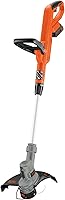
How to Choose a String Trimmer: Brands Compared
The best string trimmer brands for these needs are WORX for supported edging, EGO for longer grass borders, Greenworks for routine trimming and DeWalt for attachment users. Choose the specific model around your yard layout, battery platform and regular jobs.
On this page (9 sections)
- How do you compare the best string trimmer brands?
- What makes these string trimmer brands different?
- Which cutting setup fits your yard?
- How should batteries influence your brand choice?
- What should you check before buying a kit?
- How do you set up a new string trimmer?
- How do you reduce line trouble and routine wear?
- Which buying mistakes should you avoid?
- How do you choose among the best string trimmer brands?
The best string trimmer brands for these yard jobs are WORX for supported edging, EGO for longer grass borders, Greenworks for routine trimming and DeWalt for attachment users. These recommendations apply to the specific models below, since features vary within each brand.
Start with the work around your lawn: narrow beds, long fence lines, sidewalk edges or several outdoor jobs. Then choose a tool you can control comfortably and a battery system you can keep charged.
For a broader look at cordless power and trimmer styles, see our cordless string trimmer buying guide.
How do you compare the best string trimmer brands?
Compare the exact model's handling, cutting system and battery fit before judging the brand. A useful feature solves a job you do regularly, such as guiding an edge or replacing line without a long stop.
| What to compare | What it changes for you |
|---|---|
| Battery platform | Determines which existing batteries and chargers you can share |
| Cutting width | Affects how much grass you reach in each sweep |
| Line diameter | Helps define the cutting jobs the head is designed to handle |
| Line feed | Determines how you advance worn line during work |
| Reloading method | Affects the steps needed when the spool runs empty |
| Edging support | Helps you guide the cutting head beside paths and borders |
| Attachment capability | Lets a compatible power head serve additional yard jobs |
| Handling | Affects reach, posture and control around obstacles |
Don't choose by voltage alone. Battery voltage does not describe the whole tool, including its motor, cutting head, controls or balance.
Likewise, a wider cutting path helps most where you have room to sweep. In a narrow strip between a fence and a flower bed, careful control matters more than maximum reach.
If voltage is your main concern, read which battery voltage a string trimmer needs. For tools that serve several jobs, start with what an attachment-capable string trimmer is.
What makes these string trimmer brands different?
These 4 models offer different ways to manage edging, line changes and extra yard jobs. Choose the feature set that matches your weekly work rather than treating one model as proof that a whole brand is better.
WORX: a string trimmer brand for small-yard edging
The WORX WG163 suits homeowners who regularly switch between trimming grass and tidying a sidewalk edge. Its conversion to an in-line edger and rubberized support wheels give it a clear role in a small-yard routine.
The cutting path is 12 inches, and the head tilts 90 degrees to reach awkward spots and work on slopes. An adjustable spacer guard helps you keep the cutting line away from plants and garden features, though you still need to leave clearance.
Command Feed advances line when you press a button. That suits someone who wants a direct control for fresh line rather than an automatic feed system.
WORX Power Share supports compatible WORX 20V and 40V tools. Check each tool's battery requirements, including how many packs it needs, before planning a shared collection.
Choose it for frequent edging and short trimming sessions around maintained grass. Skip it if your main work involves broad overgrown areas or you want a power head for separate yard-tool attachments.
The wheels support edging; they do not turn the trimmer into a mower for rough ground. Our WORX WG163 review takes a closer look at its fit for home use.
EGO Power+ ST1502SA for longer grass borders
The EGO ST1502SA suits homeowners who spend more time trimming open borders than working through narrow gaps. Its 15-inch cutting swath and 0.095-inch line make it a useful step up from the compact cutting paths here.
The variable-speed control lets you reduce output for lighter grass and increase it when the work calls for more. The Rapid Reload head helps with installing fresh line, which is a separate task from advancing line while you trim.
EGO claims up to 45 minutes of runtime with the included 2.5Ah battery. Treat that as a planning limit, since grass density, speed and how hard you work the head affect battery use.
The included charger charges that battery in 50 minutes. A single pack therefore needs a charging break if the job lasts beyond its usable charge.
The trimmer works with all EGO 56V ARC Lithium batteries. Choose it for regular grass trimming along longer borders, especially if you already use that platform.
Skip it if supported edging is your main need or attachments are central to your plan. For a closer platform comparison, read our DeWalt vs EGO string trimmer guide.
Greenworks 40V for routine grass and light weeds
The Greenworks model suits a homeowner who wants automatic line feed and variable speed for regular grass maintenance. Its role is keeping borders tidy before weeds become a larger clearing job.
It uses 0.065-inch dual line and includes a 2.0Ah battery and charger. The feed system advances line during operation without bumping the head, reducing one manual step while you work.
Choose this model over the WORX when automatic feeding matters more than wheel-supported edging. The variable-speed trigger also gives you a way to ease back around lighter growth instead of using full output throughout the job.
Skip it for woody stems, neglected brush or a planned attachment collection. Those needs call for a different cutting tool or a model built around compatible add-ons.
Do not judge comfort from words such as “lightweight” alone. Handle position, reach and how far the head sits from your body all affect how tiring a session feels.
Before committing to a battery platform, identify the next tools you might actually need. Read our Greenworks 40V trimmer review for a closer look at this model.
DeWalt DCST972X1 for attachment users
The DeWalt DCST972X1 suits homeowners who want one power head for trimming and compatible extra attachments. Its adjustable cutting swath also gives it a role along broader borders and in heavier grass growth.
It uses 0.080-inch dual line and also accepts DEWALT 0.095-inch line. A quick-load spool helps with replacement, while the variable trigger and hi/lo control let you adjust output for the job.
The kit includes a FLEXVOLT battery that powers DEWALT 60V MAX tools and can also work with 20V MAX tools. That compatibility runs in a specific direction: do not assume an existing 20V battery will power this trimmer.
At 15 pounds, this is a model to consider carefully if lifting and sustained reach are concerns. Extra capability earns its place only when you will use it.
Choose it when you can name the additional jobs and confirm suitable attachments. Skip it for a small lawn where trimming and occasional edging are the whole task.
“Universal” does not remove the need to check each accessory. Read what an attachment-capable trimmer is before choosing the pieces.
Which cutting setup fits your yard?
Choose a manageable cutting path for tight spaces and more reach for open borders. Lawn shape and the length of its edges often matter more than the total lawn area.
Small lawns with beds and obstacles
A compact cutting path makes sense when most of your time goes into moving around posts, beds and garden furniture. Leave delicate areas for slow, short passes instead of trying to clear everything with one broad sweep.
WORX is the clearer choice here if sidewalks need frequent edging. Greenworks suits the same general grass-maintenance role when automatic feeding is the stronger priority.
Long fences and open lawn borders
A wider swath is useful where there is room to keep the head moving. EGO fits a dedicated trimming routine, while DeWalt makes more sense if additional attachments have a place in that routine.
Along wire fencing, keep the head back and let the line tips reach the grass. Pressing the spool toward the fence wastes line and increases the chance of snagging.
Tall weeds and woody growth
String trimmers are for vegetation their approved line and cutting heads can handle. Tall grass may need several passes, starting high and lowering the cut gradually.
Woody stems need the right cutting tool, not a larger battery or thicker line fitted without approval. Stop if growth repeatedly stalls the head or wraps tightly around it.
How should batteries influence your brand choice?
An existing battery platform should narrow your shortlist without overriding the job requirements. Sharing chargers and spare packs is useful only when the trimmer itself suits your yard.
Check the exact family name on your current battery and compare it with the tool's approved batteries. Brand names alone are not enough, since one maker may sell several separate systems.
All 4 examples here include a battery and charger. For a different package or a future tool-only buy, confirm the contents before deciding what extra equipment you need.
Plan around the battery's job beyond trimming, too. If a mower, blower and trimmer need the same pack on the same afternoon, sharing can mean waiting rather than saving effort.
Avoid estimating runtime from voltage or amp-hours alone. The vegetation, operating speed, head design and how much line is cutting all affect how long a charge lasts.
A spare battery is useful when charging would interrupt a regular job. For a short border tidy, one pack and a simple charging routine may be enough.
What should you check before buying a kit?
Check handling, replacement supplies and the exact package before committing to a brand. These details shape weekly use long after the main features have caught your attention.
Use this short checklist:
- Fit and reach: Can you hold the head near the ground without bending your back or lifting your shoulders?
- Battery compatibility: Do your existing packs and charger belong to the approved system?
- Replacement line: Can you identify the correct diameter, spool and winding instructions?
- Feed controls: Do you prefer a button, automatic advancement or another approved method?
- Extra jobs: Are the attachments you want compatible with this exact power head?
- Storage: Do you have room for the tool, charger, batteries and any separate attachments?
Line feeding and line reloading deserve separate checks. A convenient reload head does not tell you how line advances during a trimming session.
Also look at how much edging you do. A convertible tool can be useful for grass beside paving, but it should not replace choosing a tool that feels manageable in normal trimming use.
How do you set up a new string trimmer?
Set up the trimmer with the battery removed, following its assembly instructions before the first cut. Fit the guard, secure the handle and check the head before inserting a charged pack.
Adjust the handle so you can keep a relaxed grip with your elbows slightly bent. Position the head near the grass without reaching far ahead, which makes precise control harder.
Confirm that the installed line matches the approved size and is routed correctly. Leave the guard and its line-cutting blade in place so the line stays within the designed working length.
Wear eye protection, long pants and sturdy closed shoes, plus any other protection the manual requires. Clear stones, wire and loose objects, and keep other people and pets outside the stated working area.
Begin on open, short grass to learn the controls. Then move toward borders once you can keep a steady head angle and stop accurately.
For more detail on stance, cutting direction and working around obstacles, read how to use a string trimmer the right way.
How do you reduce line trouble and routine wear?
Keep the head clear, the line correct and the cutting load manageable. Good care starts with avoiding the impacts and clogs that interrupt a trimming session.
Remove the battery before clearing wrapped grass, opening the head or cleaning around the shaft. Brush away dry clippings and keep ventilation openings clear using the manual's cleaning method.
If the line stops advancing, inspect the spool before repeatedly trying the feed control. Tangled winding, stuck line or incorrect routing can prevent normal movement.
Wind replacement line in the marked direction and avoid overfilling the spool. Our guide to loading line in a string trimmer explains the steps and common spool problems.
Use the line tips to cut, rather than burying the head in grass. Short overlapping sweeps reduce strain, while gradual passes through tall growth help limit wrapping.
Do not let line strike tree trunks, shrubs or exposed roots. A spacer guard helps you judge distance, but it does not make contact safe for bark.
For storage, follow the battery maker's temperature and charging guidance. Keep the tool clean and dry, inspect the guard and head, and replace damaged parts before the next session.
Which buying mistakes should you avoid?
Avoid buying capability you will not use or expecting accessories to fit without checking. Most poor matches start with choosing a brand first and defining the work afterward.
A common mistake is choosing the widest head for a yard full of narrow beds. Reach helps in open areas, but it can leave you working more carefully around every obstacle.
Another is assuming thicker line always improves cutting. Use only an approved diameter, since oversize line can interfere with feeding and place extra load on the tool.
Do not remove the guard to gain reach or fit longer line. The tool is designed to work with that guard and its intended cutting length.
Finally, do not buy an attachment system around vague future plans. Name the jobs, confirm the compatible pieces and decide where you will store them before paying for capability beyond trimming.
How do you choose among the best string trimmer brands?
Choose among the best string trimmer brands by identifying the feature your yard needs most. Then use battery compatibility and handling to settle close choices.
- Choose WORX when supported sidewalk edging is a regular part of a small-yard routine.
- Choose EGO when longer grass borders are the main job and you want a dedicated trimmer with convenient line replacement.
- Choose Greenworks for maintained grass and light weeds when automatic line feed is your preferred control.
- Choose DeWalt when compatible attachments will serve specific extra jobs and you can comfortably manage the tool.
For a typical lawn with no attachment plans, focus on trimming control and line handling first. An existing compatible battery collection can break a tie between tools that both meet those needs.
Use our best string trimmers for home use to compare home-yard choices. If cordless power is settled and you want a broader model shortlist, browse the best battery string trimmers.
Frequently asked questions
Which string trimmer brand is best for a small yard?
WORX is the strongest fit here for a small yard with regular sidewalk edging because the WG163 converts to an edger and has support wheels; Greenworks suits grass and light weeds when automatic line feed matters more. Choose around your borders and obstacles rather than lawn area alone.
Should I choose a string trimmer brand based on its battery?
Yes, start with compatible batteries you already own, then check whether the trimmer suits your work; a shared platform can simplify charging and spare-battery storage. Confirm the exact battery family and supported tools, since a familiar brand name or matching voltage does not establish compatibility.
What features matter most when comparing string trimmer brands?
Prioritize handling, suitable cutting line, feed controls and battery fit before extra features; cutting width matters most along open borders, while edging support helps beside paths. Attachment capability earns its place when you have specific extra jobs, so name those jobs before choosing a more complex tool.
Is an attachment-capable string trimmer worth choosing?
An attachment-capable trimmer is worth choosing when compatible add-ons will replace tools you otherwise need. Confirm each attachment fits the exact power head, and allow storage space for the separate pieces; for trimming grass around a small lawn, a dedicated trimmer avoids an attachment system you may rarely use.
Are string trimmer brands interchangeable?
No, batteries, chargers, spools and attachments are not automatically interchangeable between string trimmer brands; some systems support shared parts, but compatibility belongs to the specific model and accessory. Check approved combinations before buying, and do not assume that a part fits because its size or connector looks similar.