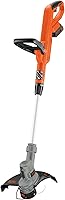
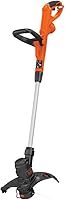
Weed Eater or Weed Wacker: Is There a Difference?
A weed eater or weed wacker usually means the same tool: a string trimmer. Choose by your yard's growth, power needs, and edging tasks, since the name doesn't describe cutting ability.
On this page (9 sections)
- Is a weed eater the same as a weed wacker?
- Why are there two names for the same tool?
- How do you choose a weed eater or weed wacker?
- Which cordless kit suits your trimming routine?
- Does every weed wacker also work as an edger?
- How should you set up and care for a string trimmer?
- Which mistakes waste line or damage the yard?
- Is a weed eater different from a brush cutter?
- Which weed eater or weed wacker should you choose?
A weed eater or weed wacker usually means the same tool: a string trimmer. Neither name signals more power, a different cutting method, or better results.
The useful choice is between tools that fit your yard. Start with the growth you need to cut, how far you'll work from an outlet, and whether you also want to edge sidewalks.
Is a weed eater the same as a weed wacker?
Yes, both names commonly describe a tool that cuts with spinning nylon line. String trimmer, grass trimmer, and line trimmer are other names for this type of machine.
The flexible line cuts grass around fences, beds, trees, and other places a mower can't easily reach. It wears down during use, so the trimmer needs a way to release fresh line.
A weed wacker isn't automatically stronger than a weed eater. Either name can describe a corded, battery-powered, or gas-powered model.
Why are there two names for the same tool?
Weed Eater is a brand name, and weed wacker is a common everyday phrase. People use both broadly, including for string trimmers made by other companies.
Search for “string trimmer” when you want to compare the whole category. Adding “cordless,” “corded,” or “edger” narrows the results more usefully than switching between weed eater and weed wacker.
Our complete cordless string trimmer buying guide explains battery, cutting width, and handle choices in more detail.
How do you choose a weed eater or weed wacker?
Choose by growth, work area, and comfort, in that order. A tool for weekly lawn touch-ups has a different job from one used to clear long, neglected borders.
Walk the areas you plan to trim before buying. Note the thickest growth, narrow spaces, distance from outlets, and length of sidewalk or driveway edges.
Which weed eater or weed wacker power source fits your yard?
Corded power suits work within safe extension-cord reach; battery power suits moving freely around obstacles. Gas is another option for extended work where refueling is more practical than charging.
A corded trimmer avoids battery charging, but you must manage the cord around beds, trees, and paths. Use an outdoor-rated extension cord of the type and size required by the tool's manual.
A battery model removes the cord and fuel routine. Plan around charging breaks, and check that a battery and charger come with the package.
For gas equipment, account for fuel storage and the engine care required by its manual. Our guide to whether electric weed eaters are any good helps narrow the electric options.
Does a wider cutting swath always help?
A wider swath covers more ground per pass, but it isn't always the best fit around tight beds. Cutting width describes coverage, not how well a tool handles thick stems.
For a small yard with lots of obstacles, control can matter more than width. For long, open fence lines, a broader sweep can reduce the number of passes.
Which line feed and comfort features matter?
Choose a feed system you understand and adjustments that let you stand upright. Automatic feed releases line without bumping, while a bump-feed head advances line through the action described in its manual.
Check handle position and shaft adjustment along with weight. If you must hunch over or reach far forward, the tool will be harder to guide through a full trimming session.
For cordless tools, compare battery compatibility by the exact system. Similar voltage numbers don't make batteries from different brands interchangeable.
Which cordless kit suits your trimming routine?
These 3 kits suit grass trimming and lawn edging, with different reasons to choose each one. All include a battery and charger, so a first-time buyer doesn't need to source those separately.
BLACK+DECKER LST300: for regular lawn touch-ups
The LST300 is a sensible choice for a small yard that needs routine trimming with simple line feeding. Its 12 in cutting swath fits that role, and the tool weighs 5.7 lb.
The included battery has a 2.0Ah capacity. Choose this kit if you want to trim around beds and fences, then switch to edging without changing tools.
Automatic feed removes the need to bump the head for fresh line. That suits someone who wants fewer actions to manage while learning to hold a steady cutting height.
Set the handle and height before starting rather than adjusting your stance around the tool. A comfortable position helps you guide the line without scraping the ground.
Skip it if your main task is clearing woody growth or working through long stretches of neglected vegetation. Those jobs call for a tool selected for heavier cutting, rather than a compact lawn-maintenance kit.
CRAFTSMAN V20: for longer grass-trimming sessions
The CRAFTSMAN kit suits buyers who want more battery capacity and speed choices for a longer trimming route. It pairs a 13 in cutting swath with an included 4Ah battery.
CRAFTSMAN claims up to 63 minutes per charge using the included battery on low speed. Treat that as a planning reference: dense grass and higher-speed use can shorten a session.
Start on the lower setting for light growth, then use higher speed where the grass needs it. That gives the speed control a clear purpose instead of leaving the tool at maximum for every task.
Turn-To-Edge functionality makes this a candidate for yards with both grass borders and paved edges. It also makes sense if you're building around the compatible V20 battery system.
Skip it if you need a firm runtime guarantee for uninterrupted work. Also, don't choose it for brush clearing simply because it has a larger battery.
BLACK+DECKER LST522: for regular sidewalk edging
The LST522 fits buyers who want wheeled edging and speed control in one lawn tool. Its wheel supports the edging position along sidewalks and driveways.
This kit includes a 2.5Ah battery, and it uses the BLACK+DECKER 20V MAX system. It is a useful option for someone who already uses compatible tools or wants one battery family for yard tasks.
Use the lower speed for lighter growth and switch up when the grass requires more cutting effort. Automatic feed supplies fresh line without a bump-feed action.
Choose it when maintaining existing lawn borders is a regular part of your routine. The wheel gives you a support point while you guide the tool along the edge.
Skip it if your goal is cutting a new, deep trench through compacted soil. A wheeled string trimmer maintains a grass edge; it doesn't replace a dedicated blade edger for that job.
Does every weed wacker also work as an edger?
No, edging capability depends on the model. Look for an approved edging position or conversion feature rather than assuming every trimmer can be turned sideways.
A line trimmer can tidy grass overhanging a paved edge. A dedicated edger serves a different purpose when you need a deeper, defined cut along soil.
Our string trimmer vs edger comparison explains which tool fits each job. For technique, read how to edge with a string trimmer.
How should you set up and care for a string trimmer?
Fit the guard, adjust the tool, and confirm the correct line before the first cut. Follow the model's manual for assembly, charging, and spool installation.
Before clearing a jam or opening the head, disconnect its power source as instructed. For a cordless model, remove the battery rather than relying on the trigger being released.
Use the specified line diameter and spool type. Thicker line isn't a free power upgrade, and an unsuitable size can feed poorly or overload the tool.
Keep the guard and its line-cutting blade in place. The guard helps control debris, while the blade limits excess line length.
After use, disconnect power and brush away grass wrapped around the head. Keep vents clear and store the tool, battery, and charger in a dry place under the manual's storage guidance.
If line stops feeding, check for tangles or an empty spool before forcing the head. Our guide to loading a string trimmer covers common refill steps.
Which mistakes waste line or damage the yard?
Cut with the line tips and avoid grinding the head against hard surfaces. Pushing into concrete, fences, or stones wears line quickly without helping the cut.
Remove loose stones, wire, and other debris before starting. Wear eye protection, long pants, and sturdy closed-toe footwear, and keep people and pets clear according to the manual's safety distance.
Don't scalp grass by holding the head too low. Match the surrounding lawn height and make controlled passes rather than sweeping rapidly back and forth.
Keep the line away from tree bark, young plants, and fence coatings. Leave space and finish delicate areas with a more controlled hand tool when needed.
For tall grass, take several shallow cuts from the top down. Trying to remove the full height in one pass can wrap grass around the head and slow cutting.
Is a weed eater different from a brush cutter?
Yes, a string trimmer is primarily for grass and suitable weeds, while a brush cutter is built for heavier growth and may use a blade. Match the cutting tool to the stems, not the name on the box.
None of these 3 kits should be chosen as a substitute for a brush cutter. Never fit a metal blade unless the tool's manual expressly approves that attachment.
For coarse or woody growth, read whether a string trimmer can cut thick weeds and brush before choosing equipment.
Which weed eater or weed wacker should you choose?
Choose the LST300 for routine touch-ups, the CRAFTSMAN for longer sessions with speed control, or the LST522 for regular wheeled edging. Existing compatible batteries can help settle a close choice.
Before ordering any weed eater or weed wacker, confirm that it suits your thickest growth and your charging routine. If woody brush dominates the job, change tool categories rather than buying a lawn trimmer based on its name.
Once you've chosen, follow our guide to using a weed eater the right way for cutting height, control, and safer technique.
Frequently asked questions
Is a weed eater the same as a weed wacker?
Yes, weed eater and weed wacker usually mean the same tool: a string trimmer that cuts grass and weeds with spinning nylon line. Neither name tells you its power source or cutting ability, so compare the model's features and approved uses before choosing one for your yard.
Is weed eater a brand name?
Weed Eater is a brand name, but people also use it as a general name for string trimmers made by other brands. To identify the actual tool, check the brand and model number, then compare its power source, cutting width, line feed, and edging features.
What is the proper name for a weed wacker?
String trimmer is the clearest general name for a tool that cuts with spinning nylon line. Grass trimmer and line trimmer are also common terms, while weed eater and weed wacker are everyday names; search several terms if needed, but compare model features rather than names.
Is a weed wacker the same as a brush cutter?
No, a weed wacker usually means a line-cutting string trimmer, while a brush cutter is intended for heavier growth and may use a blade. Match the tool to the stems you need to cut, and use only cutting heads and attachments approved in its manual.